Nar Phu Valley Trek Difficulty and Altitude Information
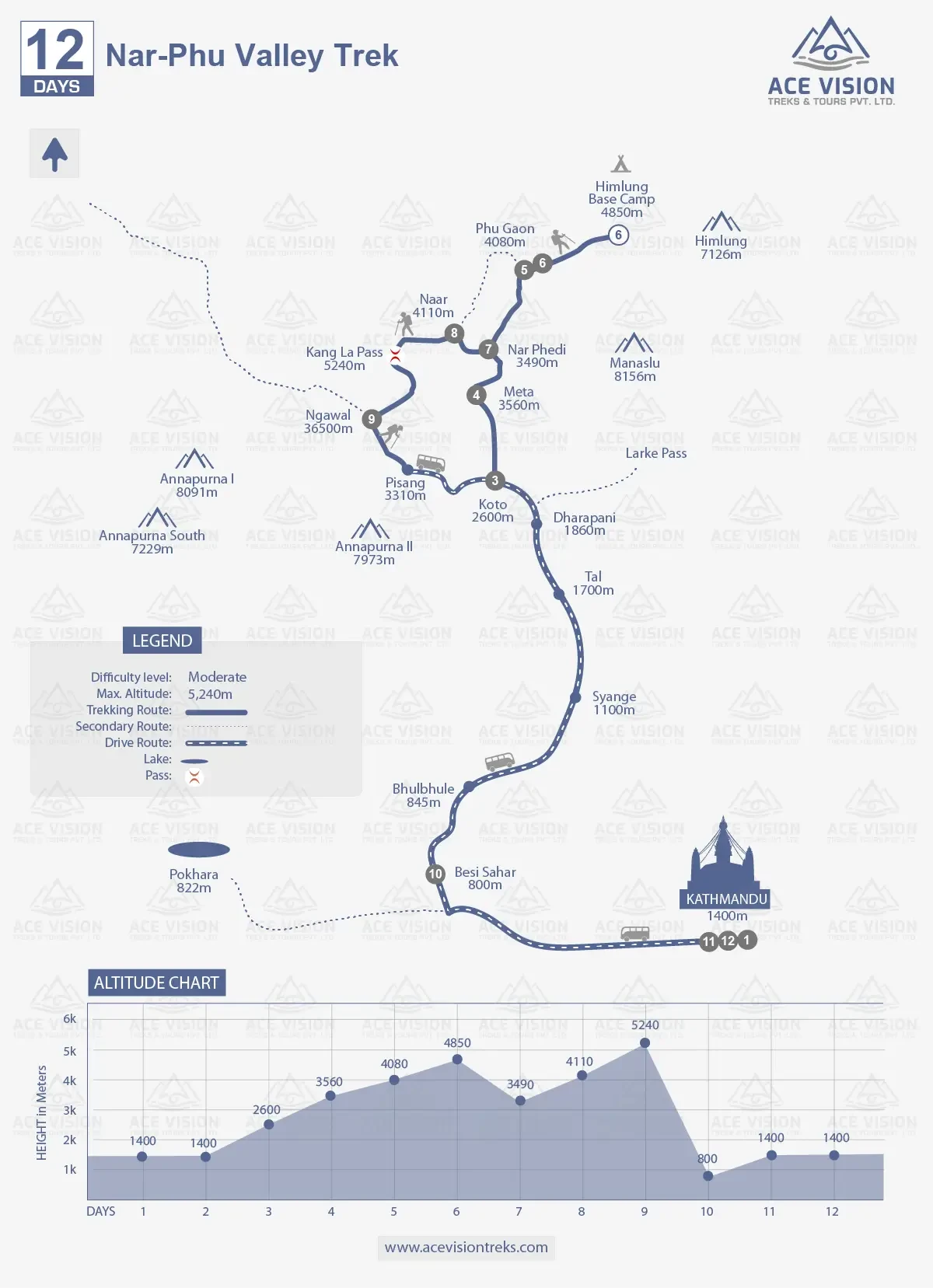
The Nar Phu Valley Trek is generally considered as a moderate to difficult high altitude adventure. This trek involves walking long hours each day usually between 6 and 8 hours, at an altitude above 2,500 and 4,000 m.
Likewise, during this journey you will be crossing Kang La Pass at 5,320 meters which is another significant challenge for trekkers on this route. So, it is essential to ensure proper acclimatization and prepare for this journey.
Maximum Altitude of Nar Phu Valley Trek
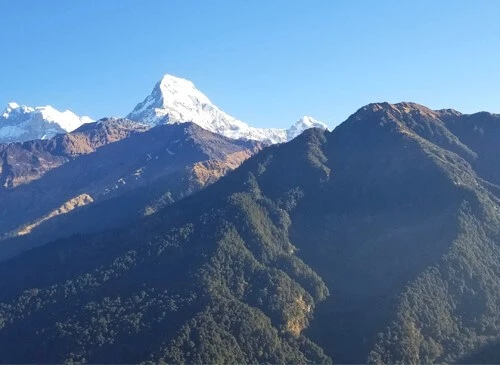
The maximum altitude of the Nar Phu Valley Trek is at Kang La Pass, which is situated about 5,320 m above sea level. One of the thrilling experiences during this trek is crossing this high mountain pass. From the pass you can see breathtaking views of the Annapurna range.
Is Nar Phu Valley Trek Ideal for Beginners?
The Nar Phu Valley Trek is not considered ideal for beginners. The trek takes place in an isolated area and at a high altitude. Also, during this trek, you will be in the high altitude areas and cross high altitude passes like Kang La (5,320 m).
However, if you are physically fit and well-equipped with some hiking experience, you can successfully complete the trek with proper acclimatization and right pacing.
Risk of Altitude Sickness and Prevention Tips
Altitude sickness is often an issue while trekking during high mountain adventures like the Nar Phu Valley Trek. Above an altitude of 2,500 meters the oxygen level in the air is low. So, those who are not accustomed Himalayan environment can experience the symptoms of altitude sickness. Some common symptoms include:
- Headache
- Dizziness
- Appetite Loss
- Fatigue
- Difficulty Sleeping
- Nausea/ Vomiting
You can ascend slowly to minimize the likelihood. You need to give your body sufficient time for acclimatization. Drinking plenty of water and maintaining a balanced diet can also lower the probability.
If symptoms persist, you need to head towards a lower altitude. You may also carry medications like Diamox after consulting with your doctor.
Physical Fitness Requirements
Having good physical fitness is important for the Nar Phu Valley Trek. Every day, you will have to trek for approximately 5 to 7 hours each day up mountain trails with steep inclines and rocky trails.
During this trek, you will also be navigating the high-altitude mountain passes. So, to tackle the difficulty of this Himalayan excursion, you have to have good stamina.
Regularly exercising before the trek can make trekking less difficult.
You can train for some months before the trek to be physically fit which will help you traverse the varied trails smoothly.
Why Book Nar Phu Valley Trek With Ace Vision Treks?
Experienced Local Guides and Safety Standards
The licensed guides will lead your trekking journey through Nar Phu Valley. The guides are experienced in leading several treks in the restricted area. They know about the trails and local weather patterns. They are familiar with challenges of high altitude.
To enhance safety, they carry necessary first aid kits, emergency oxygen and are well trained in first aid. In addition, they will make sure you are following acclimatization guidelines.
The guides will be monitoring your health and providing safe passage across narrow paths and high passes. Their knowledge and care help you navigate with confidence.
Flexible Itinerary and Custom Options
We understand that every trekker has different interests. Their fitness level and time schedules for traveling can vary. This is why we offer flexible Nar Phu Valley trekking plans. It can be custom made as per your preferences.
You can opt for shorter or longer itinerary. Combining trek with Annapurna Circuit is also possible. You may also add extra acclimatization days. You can plan special stops for photography and cultural interests.
The trekking schedule can also be adjusted on the basis of weather conditions and the group’s comfort. All the logistics are managed efficiently and itinerary modification is done quickly when needed. So, you can trek to the remote villages and behold the beautiful mountain comfortably at your own pace.
Responsible and Sustainable Trekking Practices
We follow sustainable trekking practices. This responsible trekking approach revolves around protecting the delicate Himalayan environment.
We ensure proper waste management during the trek. Trekking with us means you are helping to protect the heritage of the valley as well as its biodiversity while keeping the isolated destination authentic and sustainable for future generations.
Nar Phu Valley Trek Permits and Regulations
You will need permits for the adventurous Nar Phu Valley Trek. Solo trekking in this region is not allowed. Nar Phu Valley falls in a restricted area. So, you will have to obtain the restricted area permit through the trekking agency.
If you book a Narphu Valley Trek package with us, we will obtain the permit on your behalf.
You should obtain following permits for the Nar Phu Valley Trek
- Nar Phu Restricted Area Permit (RAP)
- Annapurna Conservation Area Permit (ACAP)
Do You Need a Licensed Guide for the Nar Phu Valley?
Yes, to trek in Nar Phu Valley you will need support of a licensed guide. It is also legal requirement for trekking in the restricted area.
A trekking guide’s support is essential for safety and navigation purposes. The trails you will navigate during the Nar Phu Valley trek pass through narrow gorges and paths as well as remote villages, where some of the routes may become unclear for those who are not familiar. So, the authorities have made this rule for safety.
Best Time to Trek Nar Phu Valley
Nar Phu Valley Trek in Spring (March–May)
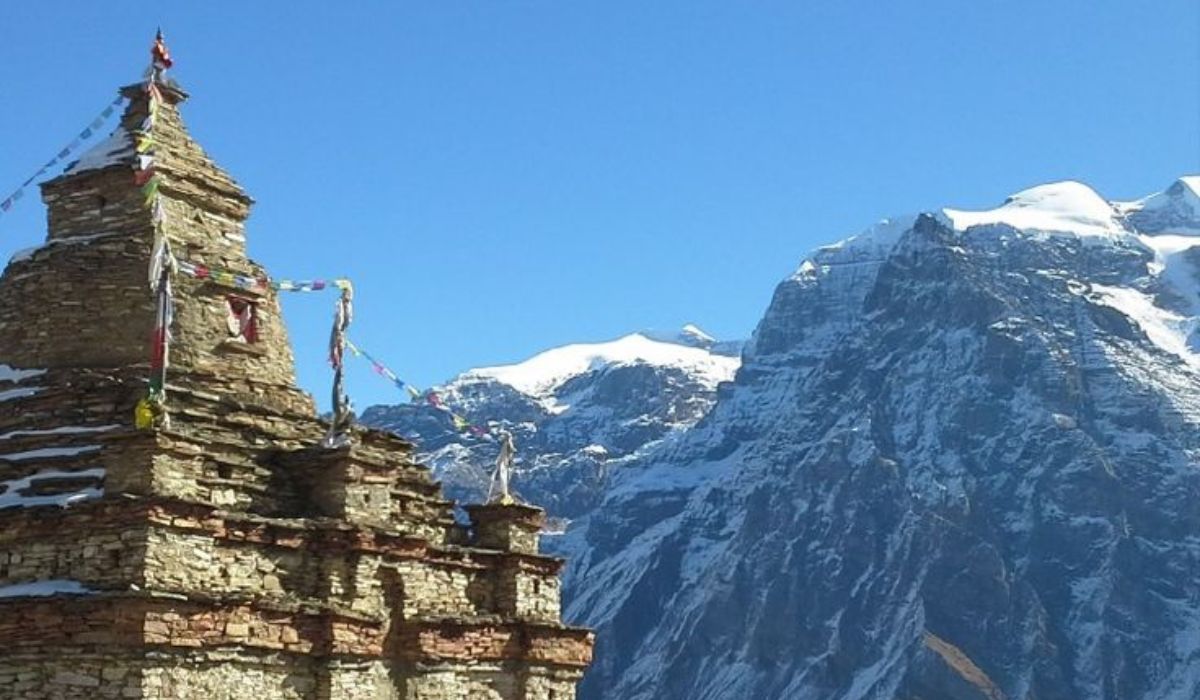
During Spring, you can see a transformation in the Himalayas from the cold winter. The mountains under crystal clear blue skies appear stunning, which makes your overall sightseeing experience truly rewarding.
In the spring months, you can behold the natural beauty of Nar Phu Valley. The route turns colorful and lively. The lower region is mostly surrounded by lush greenery and looks more charming because of the blooming flora.
The forests and hillsides during the spring months are covered with colorful wildflowers and blooming rhododendrons. During this time, you will be mesmerized by the vibrant colors of nature. The trekking paths are also dry, as the probability of heavy downpour and snowfall is minimal.
This season comes right after winter. At this time, temperatures gradually increase. Also, the spring days are sunny and warm. The mild spring temperatures allow for a delightful trek. The mornings and nights can be chilly. But with the right layering the cold can be easily managed.
The spring days are long and bright. Because of the long daylight hours, you will get more time for exploration at the scenic viewpoints. Also, navigating the high altitude trail is relatively easy due to excellent visibility, dry trails and mild temperatures. All these aspects make spring one of the ideal times to trek in the Nar Phu Valley.
Nar Phu Valley Trek in Autumn (September–November)
Autumn is one of the best seasons for the Nar Phu Valley Trek. This is a post monson season. At this time, the mountains and forests look stunning. The sky is clear and the weather stays steady. Also, the likelihood of rainfall is very low. Because of these conditions, you can enjoy bright days, dry trails, and clear views of the Himalayan peaks.
September is the first autumn month. So, a little rain may still fall occasionally. However, it makes the hills and forests look rich and green. It washes away dust from the air. So, the environment feels fresh and bright.
As the month moves toward mid-September, the weather becomes dry and stable. Rain, fog, and snow are very uncommon at this time. The clear air during this season lets you behold the Himalayan landscapes without obstruction. The trails are also dry. So, navigation is much easier and safer. Under vivid skies, the mountain scenery looks especially striking.
Autumn temperatures are comfortable for trekking. The weather feels warm enough for hiking during the day. However, morning and nighttime remain cool in the mountains. The weather in general is mild and perfect for navigating the varied trail.
Winter and Monsoon Trekking Conditions
Winter Season (December to February)
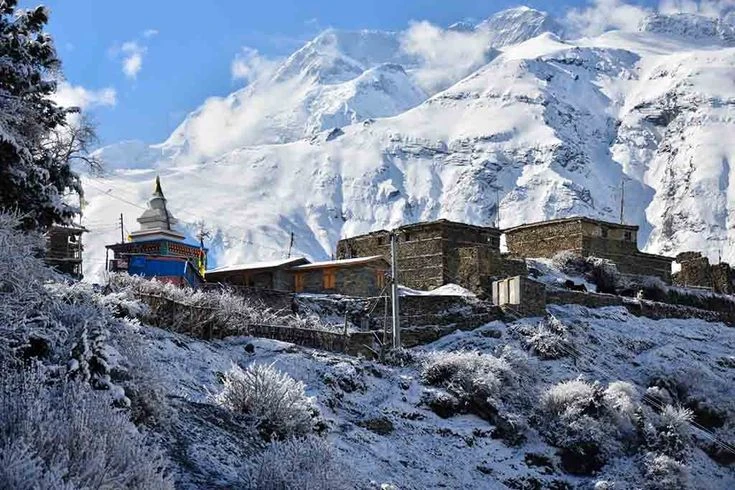
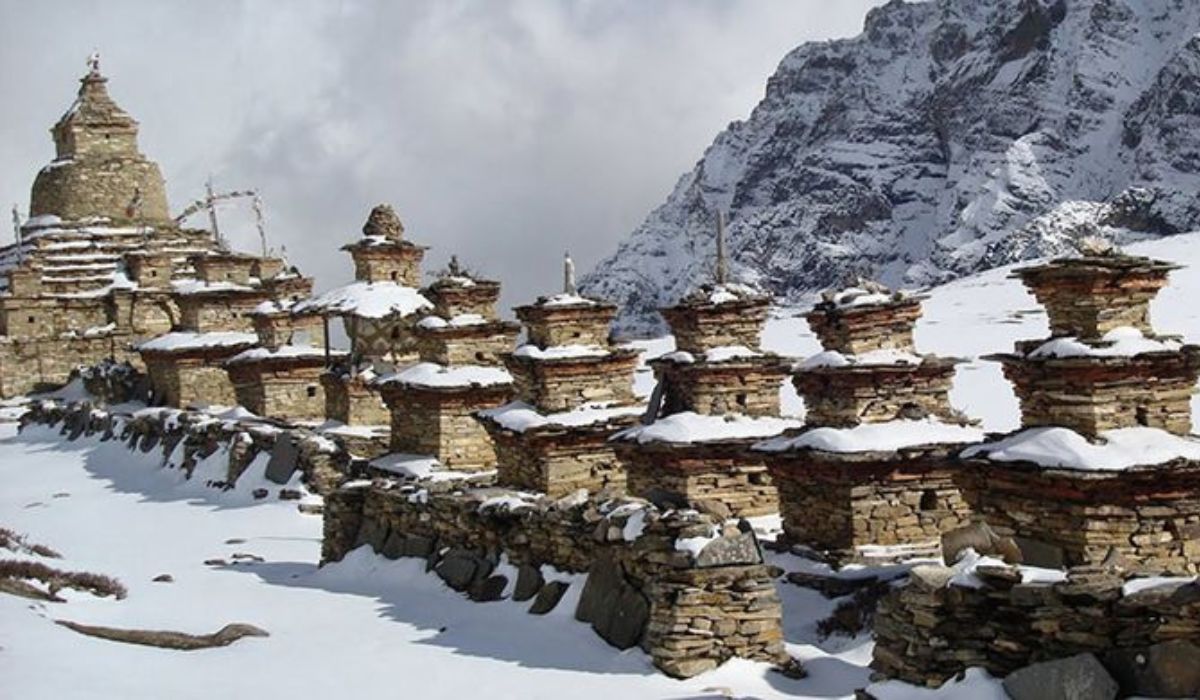
In the winter season, the Nar Phu valley turns into a winter wonderland. The winter days are generally shorter, while the nights are longer. In the winter months, the weather is extremely cold. In this season, the trails are less-crowded. So, the routes are quieter. It is a less favoured period for trekking.
The morning and night temperatures can also drop significantly. Because of the heavy snowfall, the routes may be covered with thick snow. So, you might need microspikes for navigation.
The villagers move to the lower villages where the climate is mild. So, you have to bring the required gear for the winter trek. Despite the cold, winter presents bright days and crystal clear skies, providing an incredible backdrop. However, it is crucial to be aware of the challenges and prepare for them accordingly.
Summer/ Monsoon Season (June to August)
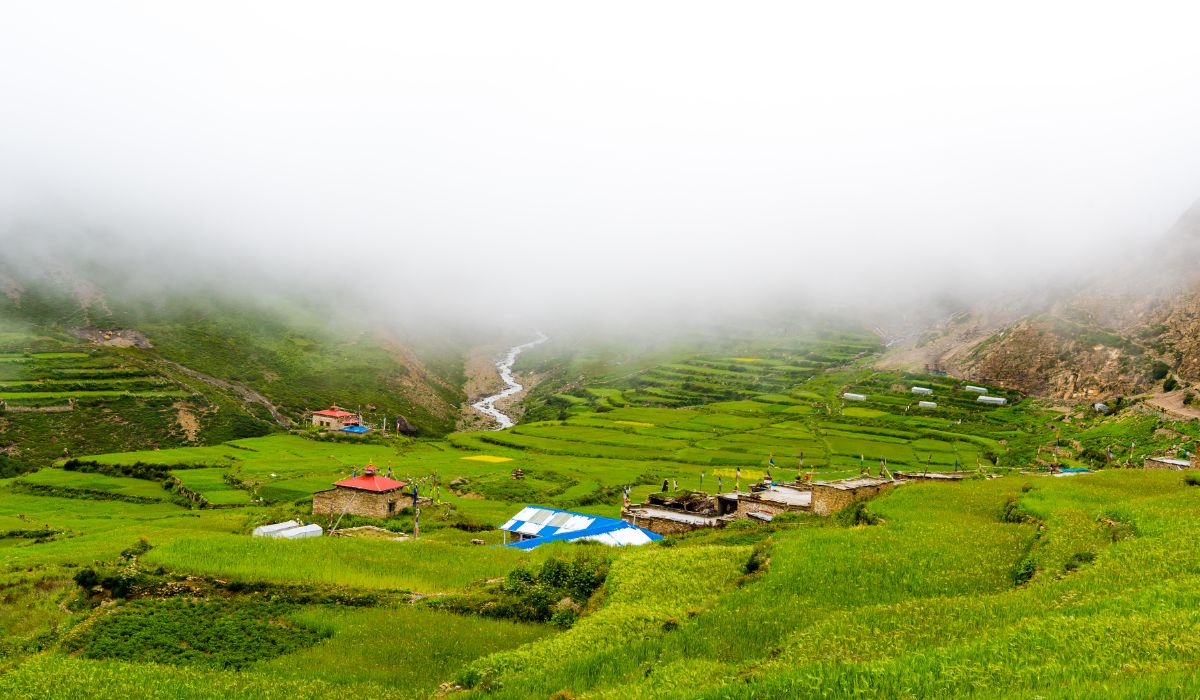
The monsoon/ summer season brings heavy rainfall. Most of the trekkers avoid high altitude adventures at this time. So, paths remain quiet and peaceful. In the lower regions, you can enjoy lush greenery. You can see misty hills and clear skies.
Trekking during this season is truly special. The valleys and forests look fresh. The monsoon/ summer atmosphere is also calm and relaxing. Summer/ Monsoon days are usually warm, mainly at the lower elevation. As you climb to higher elevations, the weather is mostly cool. Even during mornings and evenings, the mountains can feel cold, so warm clothing is still necessary.
Due to the rainfall, trails can be wet and slippery. Likewise, paths often become muddy. Trekkers may encounter insects or even leeches in the forested areas. Heavy rainfall or swollen rivers may block the roads or trails, delaying travel plans. Because of these conditions trekking requires extra caution.
However, during the monsoon season, the beauty of nature is wonderful. The following day after rainfall, nature is fresh and clean. The forests and the hills look nourished and lush green after the rain. Still, it is important to be cautious, check real time trails and head out only when conditions seem secure.
Accommodation and Food During the Nar Phu Valley Trek
Tea Houses and Lodges in Nar and Phu
The Nar Phu Valley trek takes you into the most remote mountain regions of Nepal. The trek passes through isolated villages with very basic facilities but offers an unforgettable and genuine Himalayan experience.
Accommodation during the trek is mainly offered in small tea houses and local homes.
The rooms are fairly basic. Most of the rooms have twin beds with a mattress, a pillow, and blankets.
However. Temperatures can fall significantly at night, especially in the cold months. For this, we highly advise you to bring a good-quality sleeping bag. Toilets are usually available in shared basis. Some tea houses may offer a hot shower, but access to the Wi- Fi is rare in the high mountain settlements of this valley.
Although the facilities are basic, the locals of Nar Phu Valley offer great hospitality. Many lodges are run by local families. They will welcome you warmly and provide good service which will elevate your overall experience.
Staying in these mountain lodges provides a good opportunity to experience traditional Himalayan culture. The scenic surroundings, culture, and peaceful atmosphere make the overnight stays along the Nar Phu Valley trek a unique part of the entire adventure.
Meals Available on the Trek
Meals on the Nar Phu Valley Trek are simple, fresh and nutrient-rich. It is prepared by local lodge owners. The most common dish served during the trek is Dal Bhat. It is a traditional Nepali dish. It provides the required energy for long trekking days.
Other common dishes served on the Nar Phu trail include Tibetan bread, pancakes, Fried rice, chowmein, momo, soup, Thukpa, potatoes, noodle soup and porridge. Yak cheese and butter tea are also served at many tea houses along the route.
The food choices can be limited in some remote sections of Nar Phu Valley. However, the food is served warm. Snacks are also available on popular stops, but are usually limited. So, trekkers carry energy bars, dried fruits or chocolates to keep their energy levels up on the trail.
Drinking Water and Hygiene Facilities
Staying hydrated is important during the Nar Phu Valley Trek. Most tea houses provide boiled water at an extra cost. You can also use a water purification tablet if you want to use the water from natural streams along your route.
Hygiene facilities in Nar Phu Valley are simple. Toilets are usually shared. The hot showers may be available at some places at an extra charge. As the shops to purchase hygiene essentials are limited, make sure to bring them from the city area. You can pack sanitizer, biodegradable soap and wet wipes. Packing these essentials will help you stay fresh after a long day of trekking.
How to Prepare for the Nar Phu Valley Trek?
Adequate preparation is essential for smooth completion of the Nar Phu Valley Trek. For this Himalayan adventure you need to have strong physical fitness and mental resilience. In addition, packing wisely is crucial too.
Obtaining the right permits and travel insurance is crucial part of planning for the trek. With thorough preparation this thrilling excursion in Himalayas can be truly memorable.
Training Tips Before the Trek
Your Nar Phu Valley Trek will be easier and more enjoyable if you prepare at least 3 to 4 months in advance. You need to train to stay healthy throughout the long walking days.
You can do a mix of strength and cardio exercises. These exercises can help build stamina. The strength exercises are squats, deadlifts, planks, push ups, lunges and pull ups.
Some recommended cardiovascular workouts are cycling, swimming, running, dancing and jumping rope. These workouts can enhance overall endurance. You may also do hiking on hilly or uneven terrain by carrying backpack. This helps you simulate actual conditions that you will face in rugged terrains.
A good training plan will help you feel stronger. It helps you stay confident and be well prepared for this thrilling adventure into the isolated and beautiful Nar Phu Valley.
Essential Packing List for Nar Phu Valley

Clothing
- Comfortable trekking T shirts
- Warm thermals
- Lightweight tops and bottoms
- Flexible trekking pants
- Beanie
- Sweaters
- Insulated gloves
- Fleece jackets
- Thin gloves
- Quick drying undergarments
- Rain jackets and pants
- Windproof jackets
- Down jackets
- Sun hats
- Scarf
Footwear
- Woolen Socks
- Trekking boots
- Liner socks
- Sports shoes
- Slippers
Documents
- Passport
- Nepal visa
- Flight tickets
- Travel Insurance
- Permits
- Passport size photographs
Other Essentials
- Toothbrush and toothpaste
- Soap
- Lip Balm
- Wet wipes
- Earbuds
- Sunscreen
- Moisturizer
- Quick drying towel
- Hair Brush
- Small mirror
- Comb
- Mobile
- Earphones
- Camera
- Water purification tablets
- Power bank
- Solar charger
- Binoculars
- Journal and pen
- Books
- Maps
- Refillable water bottles
- Energy bars
- GPS
- First Aid Kit and medicines
- Garbage bags
- Emergency whistle
Trekking Gear
- Trekking Poles
- Microspikes
- Sleeping bag
- Duffel bag
- Headlamps/ Torch
- Day Back
Travel Insurance Requirements
Travel insurance is essential for the Nar Phu Valley Trek. This adventure involves trekking through the isolated villages. In addition, you will also be crossing the high mountain passes along the route. The immediate assistance to medical care in such rural areas is not available.
Unexpected events such as illness, injuries or sudden delays may occur at any time. Travel insurance provides financial coverage. It offers peace of mind in case of unforeseen circumstances.
When choosing a policy for the Nar Phu Valley Trek you should ensure that it provides coverage for risks such as stolen luggage, medical treatment in case of sickness or injury and emergency helicopter evacuation in serious cases.
Make sure it covers trip cancellation or delays. With the right insurance, you do not have to worry about managing finances in case of unexpected events.
Cultural Highlights of Nar Phu Valley
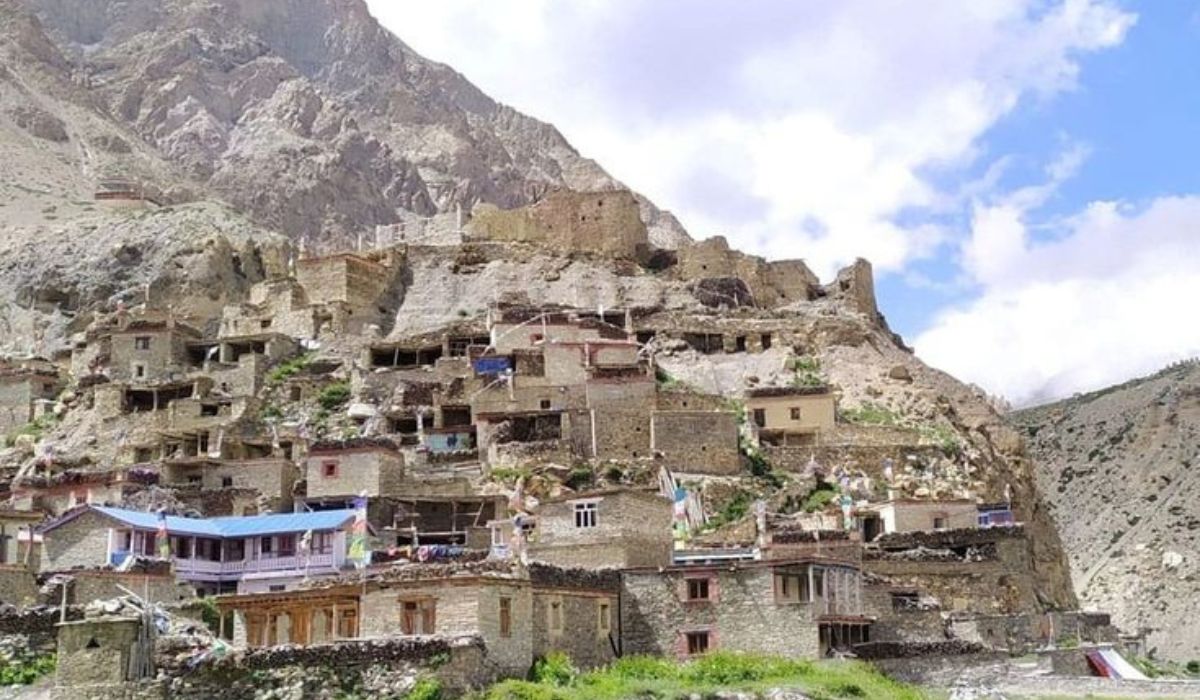
Tibetan-Inspired Culture and Ancient Villages
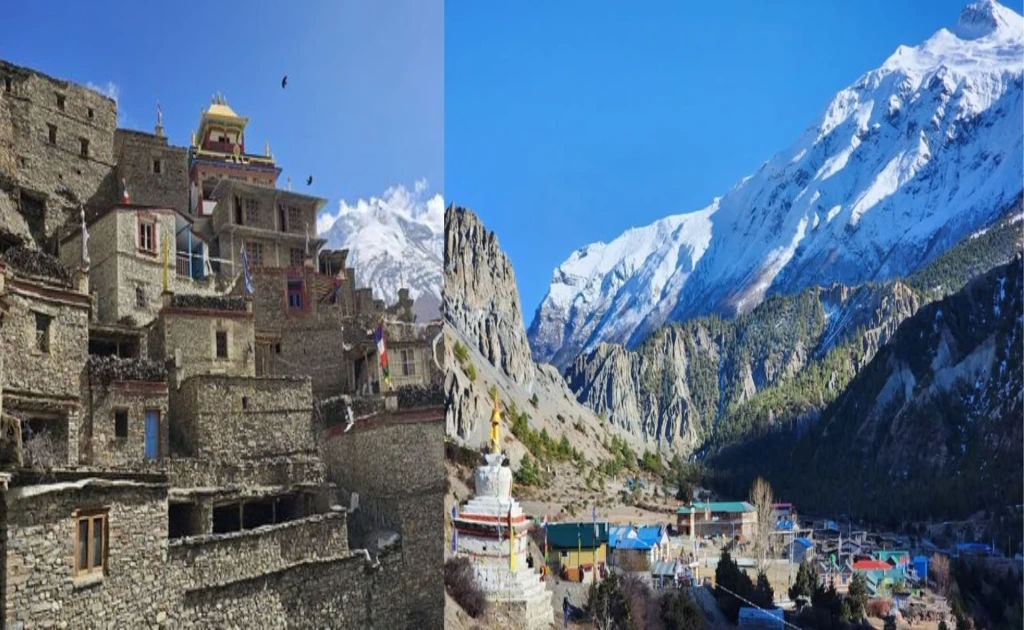
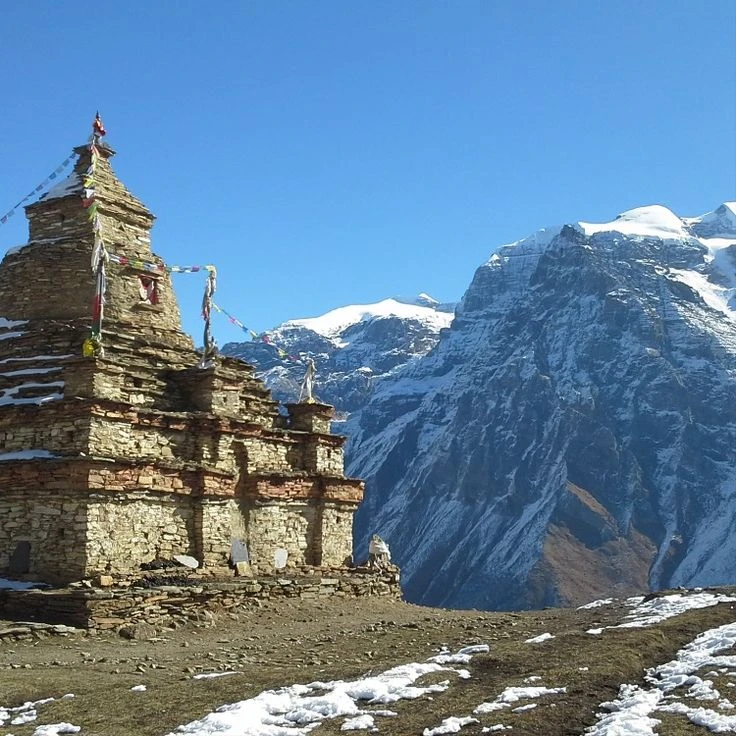
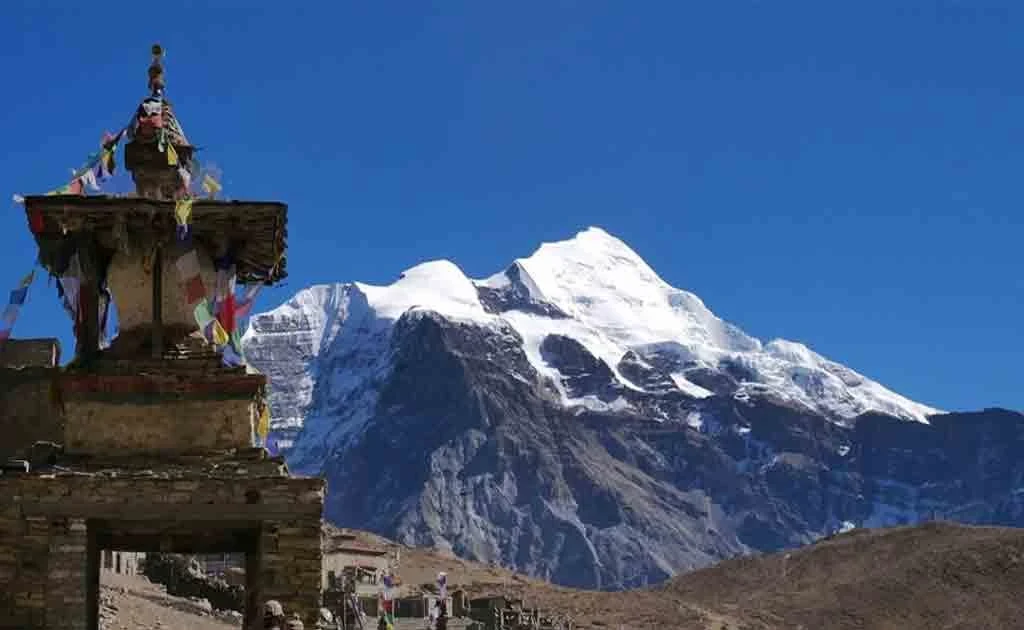
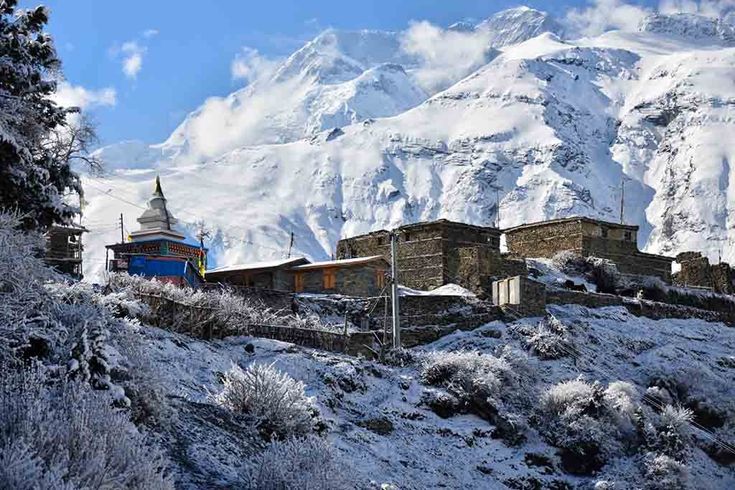
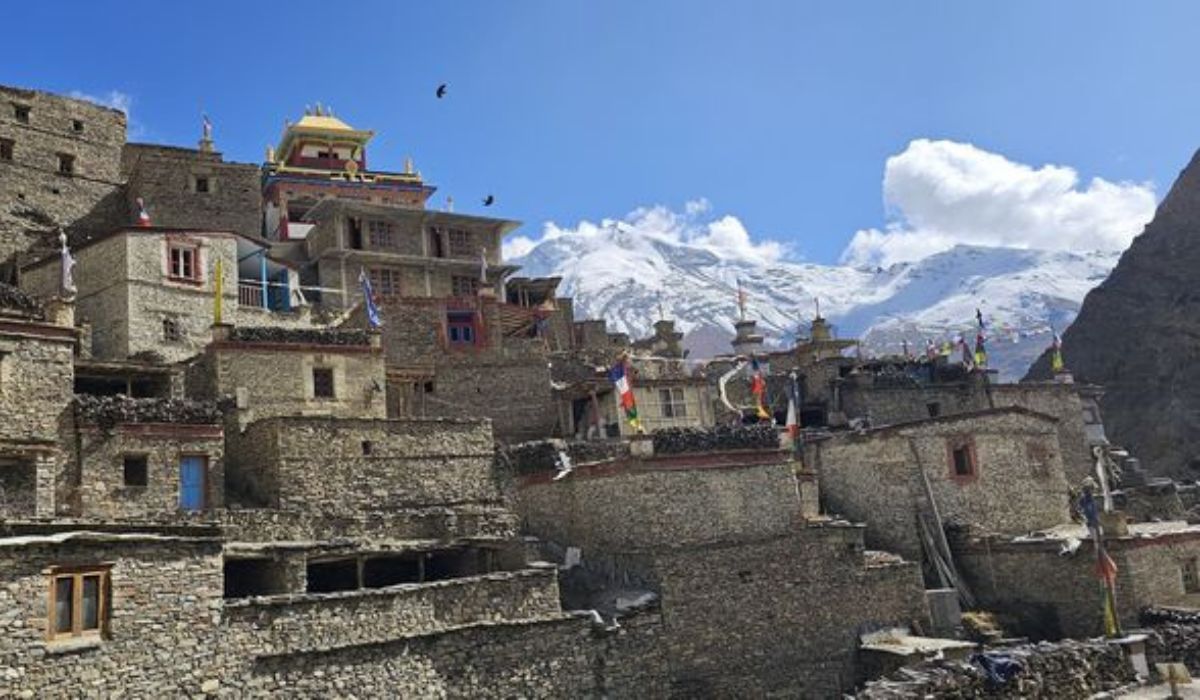
During the Nar Phu Valley trek, you can see Tibetan inspired culture. During tis trek, you will pass through villages like Koto, Meta, Phu, Nar, Ngawal and Pisang. Mani walls, engraved with sacred mantras and colorful prayer flags on the route, showcase the spiritual beliefs of the residents.
Furthermore, there are many monasteries along the route that have numerous prayer wheels and chortens. You can see houses built from stone, wood and mud. These houses have flat roofs.
They feature narrow alleys and thick walls. By visiting the villages, you can get a glimpse of an ancient Himalayan culture influenced by Tibetan heritage and Buddhist spirituality.
Tashi Lhakhang Monastery
Tashi Lhakhang Monastery, located in Phu village, is one of the notable monasteries. It remains the major spiritual center in the valley.
It is known as the oldest and largest monastery in Nar Phu Valley. You can see traditional Buddhist art such as wall paintings, sacred statues and thangkas in this monastery.
It draws trekkers and visitors who wish to learn about the culture, history and religious heritage of the Himalayan areas.
Festivals and Local Lifestyle
The lifestyle of the people in the Nar Phu Valley is simple. They live in close harmony with nature. Most people start their day early in the morning, either working in their barley fields, taking their yaks grazing in the open meadows. Some people also spin the wool and make warm clothing.Animal herding is an essential part of life in the region.
Locals in the region have yaks, dzos and sheep. These animals give them milk, wool, meat, and dry dung which can be used as fuel for cooking and heating.
If you visit Nar Phu Valley during a festive period, you will see villages full of energy and celebration. Losar is an important festival in the region. It marks the Tibetan New Year. It is usually celebrated in February.
During this time, villagers dress in their beautiful traditional clothes, visit monasteries to pray, and gather in open spaces doing masked dances, performing special rituals, and have delicious dishes together with family.
In summer, the Yartung Festival is celebrated in the region. At this time, you can watch horse races in rough lands and also see locals singing, dancing and eating together. Getting a chance to see these celebrations makes your journey truly enriching.
How to Ensure a Secure Nar Phu Valley Trek?
Nar Phu Valley's trekking trail is remote. So, make sure to follow the guidelines of acclimatization. Pack all essentials. Get the right insurance. Proper acclimatization and trekking equipment are necessary for a safe and smooth trek.
Follow your guide’s instructions. They are experienced in trekking in these remote areas. So, their experience can help you stay on the right path. In addition, you should check the weather and real-time weather before heading out to make an informed decision for the smooth completion of the adventure.
Which are the best alternative trek packages of Nar-Phu Valley?
Alternative packages of Nar-Phu Valley compare like remote culture, wilderness, and fewer crowds! The options are Manaslu Circuit, Upper Mustang, Tsum Valley and Kanchenjunga Base Camp. These trekking route are high-altitude adventure, Tibetan-influenced culture, and off-the-beaten-path experiences. Contact Ace Vision Treks for tailor-made trip package and best deals.