Ghorepani Poon Hill Trek
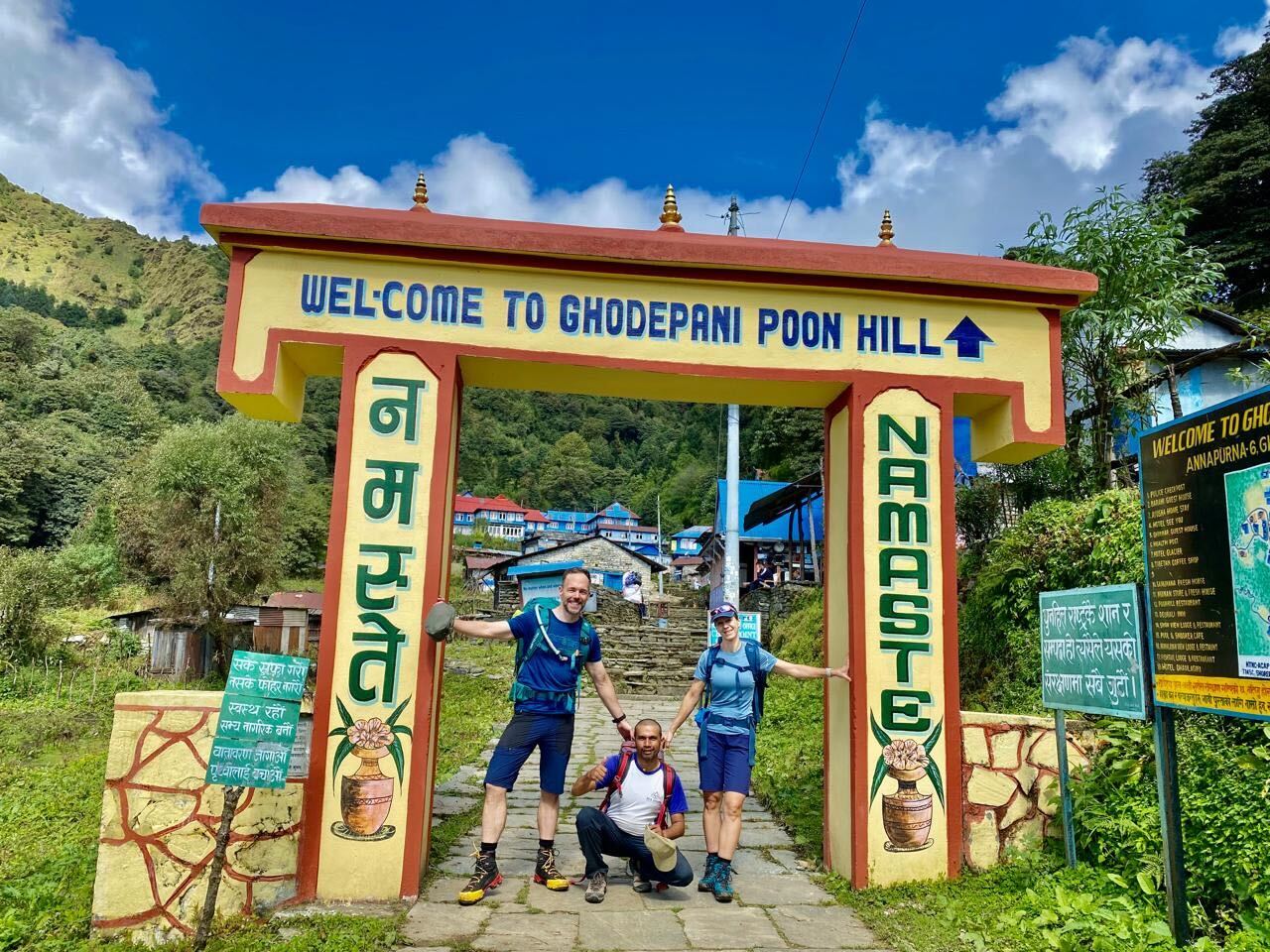
The Ghorepani Poon Hill Trek is one of the most popular treks in Nepal for the newbies. The journey presents panoramic views of snow-capped mountains, like Annapurna, Dhaulagiri, Machhapuchre, etc. Its highest point is at 3,210 meters, which is well below the severe altitude sickness range. Additionally, unlike longer Himalayan treks, it doesn’t require multi-week commitments, as it just takes 5 to 7 days.
The trekking routes are well marked and they have a few gradual and easy ascents. The trek offers excellent accessibility, as it is easily reached from Pokhara. It is a major tourist hub and has air as well as ground transportation available from Kathmandu.
Highlights of Ghorepani Poon Hill
- Sunrise from the viewpoint with golden light reflected on the surrounding himalayas.
- Trekking routes are covered with pink, red, and white rhododendron forests, which are particularly vibrant in spring.
- Along the trail, trekkers can explore the Gurung and Magar villages. They can observe their culture and try local dishes.
- The route passes through Annapurna Conservation Area, home to numerous flora and fauna.
- Well-established tea houses and lodges offer warm meals, comfortable beds, and social trekking environments, making the trek enjoyable.
Mardi Himal Trek
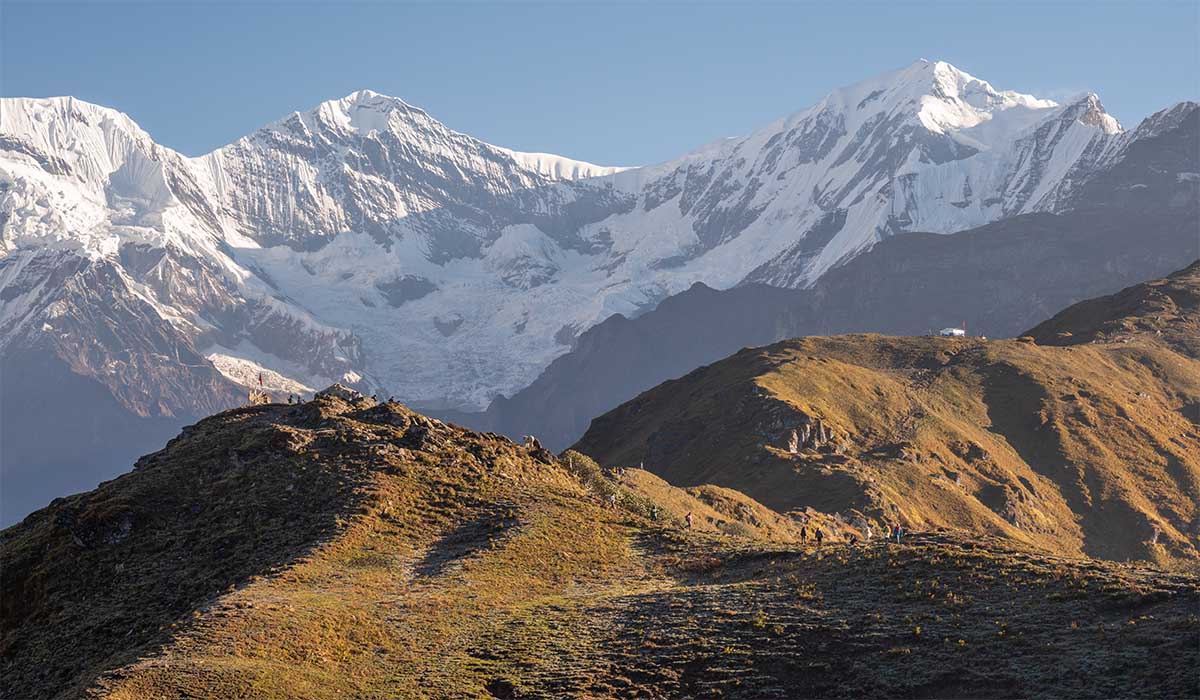
It is a relatively short journey in the Annapurna region that offers upclose moutain views. The Mardi Himal Trek usually takes about 7 to 10 days, so it is a good choice for beginners. It is easy to moderately challenging. Additionally, the maximum altitude of the trek is 4,500 meters, so there is a fair chance of Acute Mountain Sickness. However, it is easily manageable with a slow pace and gradual altitude gain.
The trekking route mostly consists of stone stairs, forest regions, and a few ridges. Primary accommodation comprises teahouses and lodges that offer basic rooms and warm, freshly cooked meals. Furthermore, in lower villages, such as Phedi, Dhampus, and Deurali, some places even have attached bathroom facilities. However, from the low camp to the base camp, they are often communal.
Highlights
- Clear views of Machapuchare, Annapurna South, Hiunchuli, and Mardi Himal.
- Lower and mid regions have green forests with rhododendron trees, adding radiance to the trekking routes.
- Opportunity to explore the traditional Gurung and Magar villages around Dhampus and Ghandruk.
- May spot himalayan wildlife, including the colorful Danphe (Lophophorus), Himalayan Tahr, and various species of eagles.
- Witness a breathtaking sunrise from High Camp as the surrounding mountains become golden.
Langtang Valley Trek

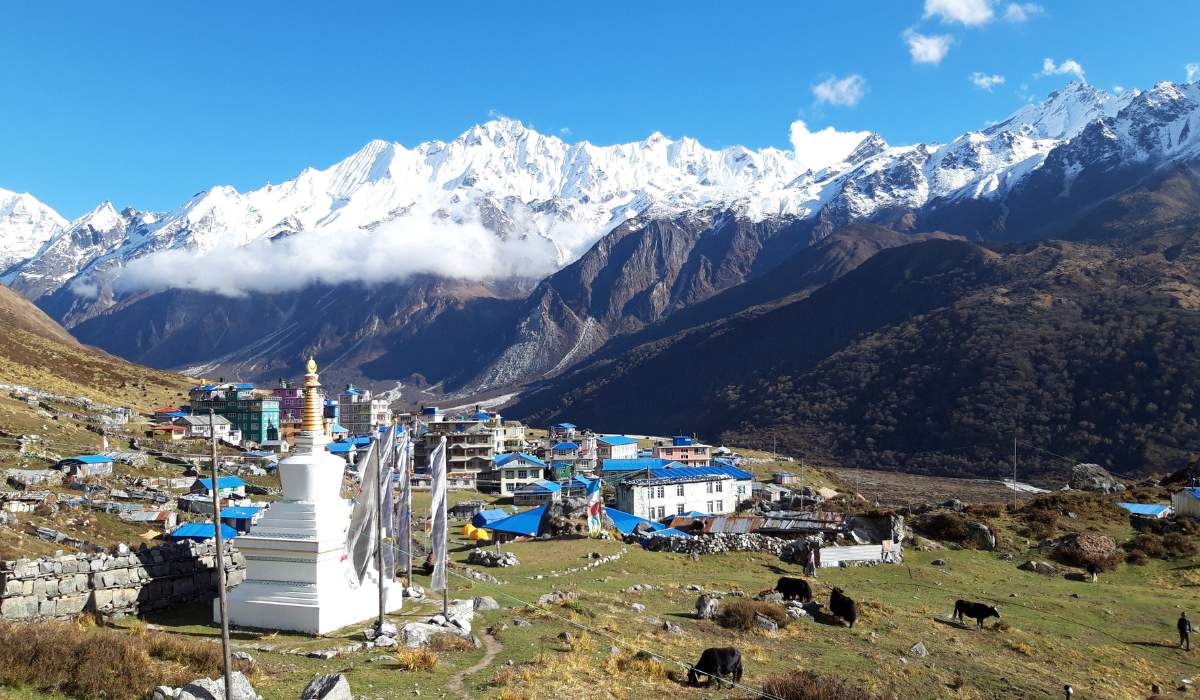
It is one of Nepal’s most rewarding Himalayan treks, known for its dramatic mountain scenery. The region is also known as the “valley of glaciers.” Additionally, the Langtang Valley trek has easy access from the capital, Kathmandu. Along the trails, trekkers pass through Tamang villages. This presents a chance to learn about mountain lifestyle and ancient heritages.
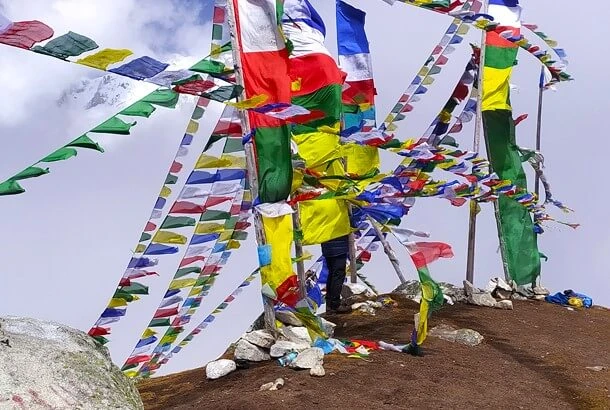
Moreover, the colorful prayer flags, chortens, and stone houses reflect their Tibetan Buddhist beliefs. It is typically 7 to 10 days long and reaches a maximum height of 4,985 meters at Tserko Ri. This makes it one of the most famous trekking routes in Nepal, especially for beginners.
Highlights of the journey
- Sights of Langtang Lirung (7,227m), Ganesh Himal, Dorje Lakpa, and other snow-capped peaks.
- Explore Tamang villages and observe their practices.
- Visit Kyanjin Gompa. It is a beautiful high-altitude settlement and cultural hub with an ancient monastery and traditional yak cheese factory.
- Trek through the Langtang National Park.
- Witness the Yala glacier in the upper Valley while moving towards the Yala peak.
Everest Base Camp Trek

It is among the most iconic trekking journeys in the Himalayas, leading deep into the Khumbu region. The journey starts with a flight to Lukla and moves forward through traditional villages. This classic route is known for its majestic mountain views and authentic Sherpa culture.
Similarly, its trail passes from the Sagarmatha National Park, which is a UNESCO World Heritage Site. Trekkers cross several suspension bridges, alpine forests, and glacial rivers.
There are several monasteries that come along on the way to the base camp. Amongst them, the Tengboche monastery serves as the spiritual hub of the Khumbu region.
Also, it showcases breathtaking views of Ama Dablam, Everest, and Lhotse. Furthermore, trekkers also pass through other notable monasteries, such as Pangboche, Thame, and Chhukung. Locals believe that they provide protection to the valley.
Hence, they perform morning prayers, rituals, and present offerings. During festivals, the community gathers and shares food, and the monks show masked dances with colorful costumes. Even though the name “Everest” may sound a little intimidating, beginners have completed this trek with the help of a licensed trekking guide.
Highlights
- Reaching the lap of the highest mountain in the world.
- Close view of Khumbu icefall and glacier.
- Panoramic sunrise views from Kala Patthar.
- Visit the largest monastery of the Everest region, Tengboche.
- Experience Sherpa Hospitality staying in local tea houses.
- Walk through the Sagarmatha National Park.
- Roam around Namche Bazaar, a bustling market with handmade goods.
Annapurna Base Camp Trek
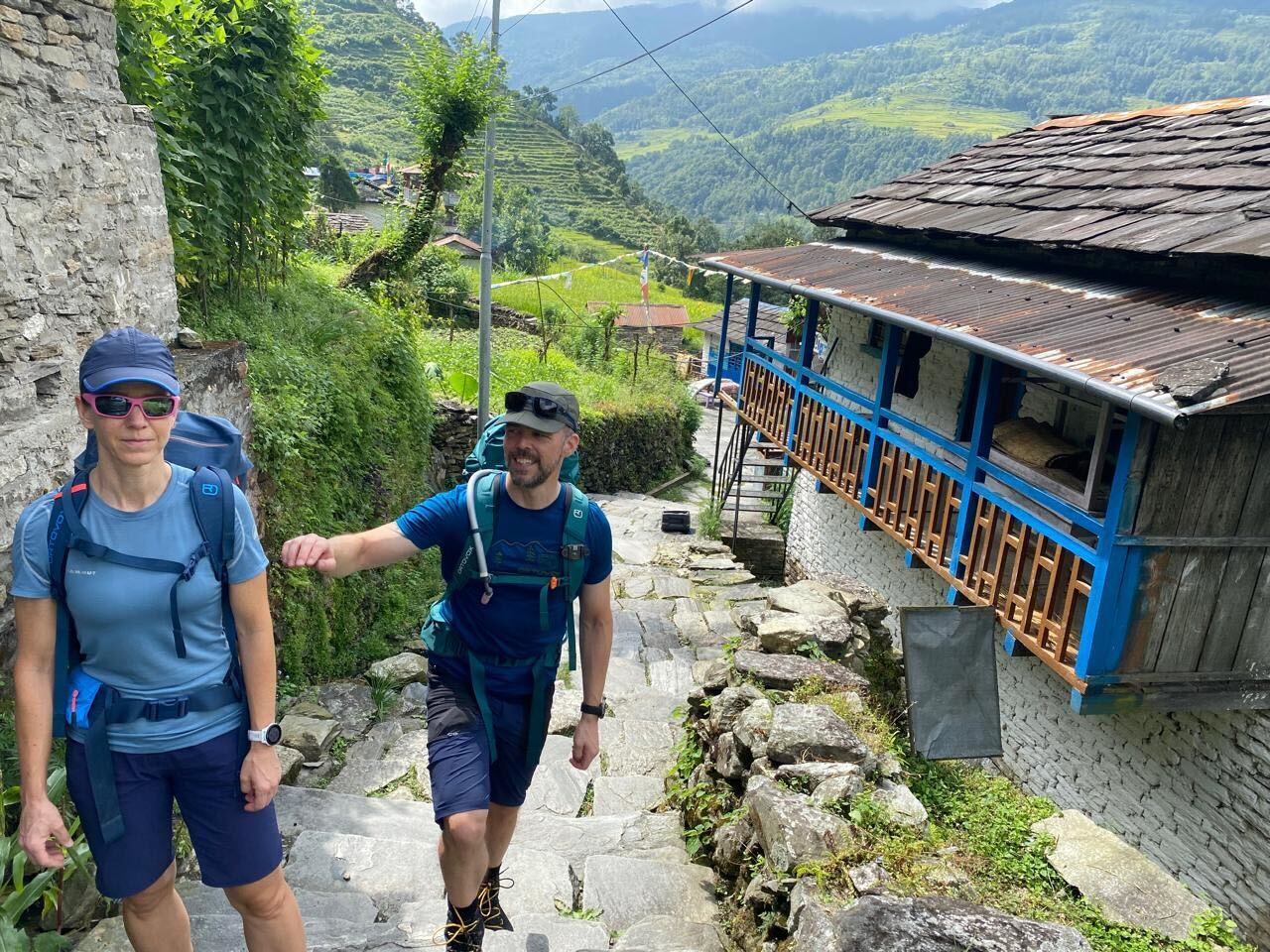
It is a classic himalayan journey that takes you to close to the Annapurna massif. The highlight of this trek is being surrounded by a ring of ten peaks over 6,000 meters at the base camp. The trek is famous for its ecological diversity, starting in lush subtropical farmlands and dense rhododendron forests before transitioning into a rugged, alpine world of rock and ice.
Beyond the scenery, it is also deeply cultural. As you pass through ethnic Gurung and Magar villages, you can observe their lifestyle and traditions. The trails are marked with prayer flags, small shrines, and chortens. They reflect a unique blend of Hinduism and Buddhism of the region.
It is generally 7 to 10 days long and moderately difficult. Trekkers need to walk for around 5 to 7 hours daily and climb several stone stairs. Therefore, beginners opting for ABC should practice stamina and strength-building exercises. Wear proper gear, have professional assistance, and acclimatize enough.
Highlights
- Get an up-close view of the tenth-highest mountain in the world.
- Experience one of the most famous sunrises in Nepal from Poon Hill.
- Trekking through the lush rhododendron forests and alpine landscapes.
- Pass the Machhapuchhre Base Camp on the way.
- Soak in natural riverside hot springs at Jhinu Danda while descending back.
- Explore this beautiful stone-built village, the heart of Gurung culture.
- Sweeping views of Annapurna I (8,091m), Annapurna South, Hiunchuli, and Machhapuchhre (6,993m).
Khumai Danda Trek
It is a short yet scenic destination, which is also known as the "Great Machhapuchhre Trail." This is because the ridge takes you directly toward the base of Machhapuchre. It is located north of Pokhara, offering excellent accessibility. It is an ideal alternative to the crowded trails of Mardi and Annapurna Base Camp Trek. A typical itinerary lasts about 3 to 4 days, starting from villages like Ghachok or Hile Kharka.
Trekking through the dense rhododendron and bamboo forest, narrow grassy ridgelines, and river valley, trekkers reach at the vantage point. The trek lies entirely within the Annapurna Conservation Area, bringing the opportunity to explore unique flora and fauna. Similarly, the maximum altitude it reaches is 3,682 meters, so there are little to no risks of Acute Mountain Sickness. The final push contains moderate, steep ascents that are easily manageable. Therefore, it stays at the top of the list of most famous treks for beginners.
Highlights
- Korchan Danda provides golden sunrise and sunset over the Himalayas.
- Distant views of the Annapurna glacier.
- Explore authentic Gurung and Magar villages.
- Panoramic views of Machhapuchhre (Fishtail), Mardi Himal, Annapurna South, Dhaulagiri, and Hiunchuli.
- Quiet trails that make the trek peaceful and deeply immersive.
- Walk through the Annapurna Conservation Area.
- Admire Machhapuchhre Himal from a unique angle where its iconic double peak is more prominent.
Jomsom Muktinath Trek
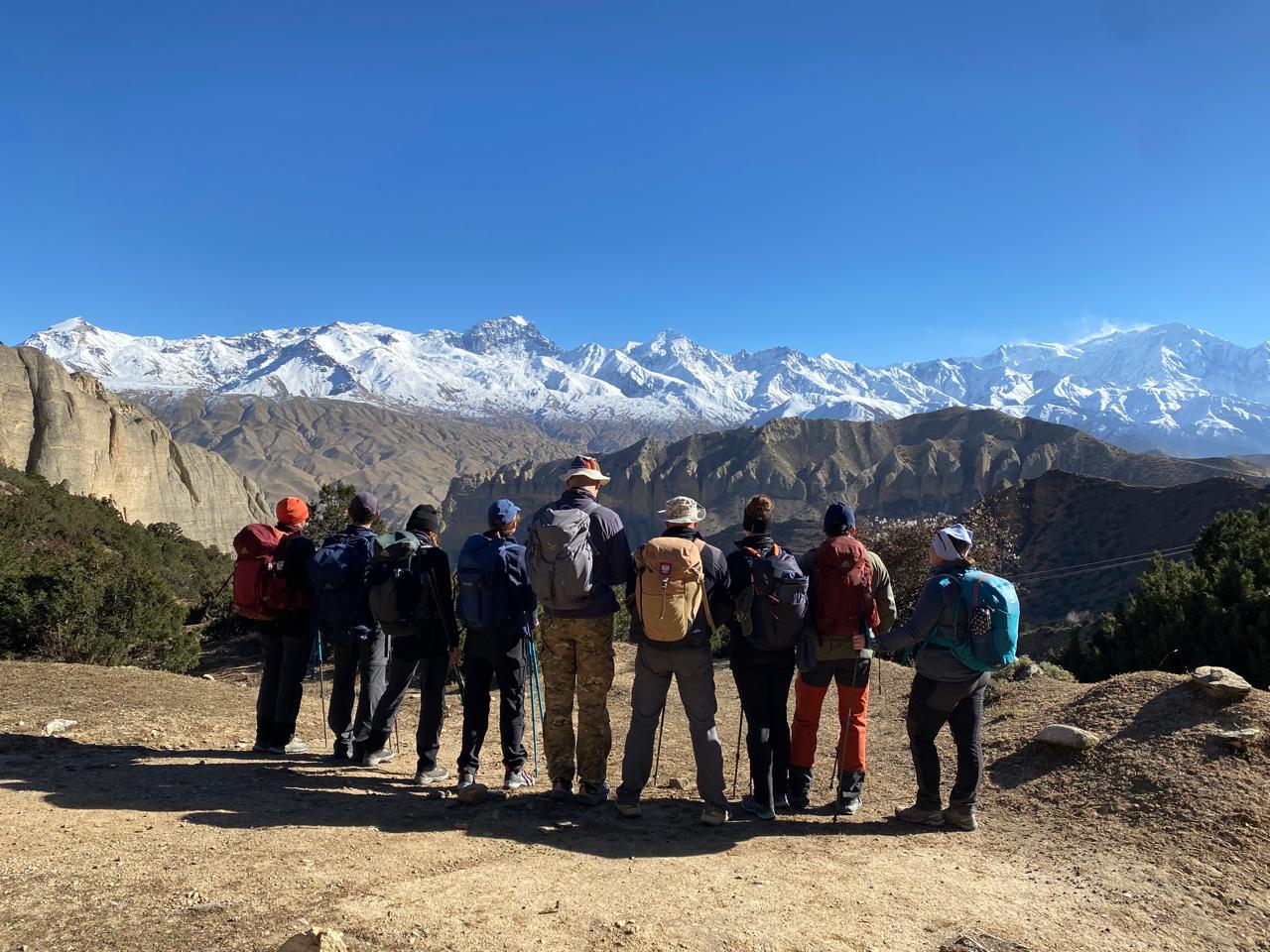
It is a famous trail of the Annapurna region, offering a blend of himalayan landscapes, cultural immersion, and religious significance. This trek generally starts with a short flight from Pokhara to Jomsom or a drive along the scenic Kali Gandaki Valley. Trekkers gradually ascend through villages, farmlands, and forests.
Similarly, a standard Jomsom Muktinath trek takes 7 to 12 days. The maximum altitude of the Journey is 3,710 meters which significantly decreases the chances of severe AMS symptoms. The trekking route has clear markings, so navigation is not a problem either. Therefore, it is suitable for beginners who want to experience the himalayan environment.
Highlights
- Visit the Muktinath temple, a pilgrimage site for both Buddhists and Hindus.
- Traditional Thakali and Tibetan villages like Kagbeni, Marpha, and Tatopani provide cultural immersion along the route.
- Witness one of the deepest gorges in the world, Kali Gandaki.
- Sweeping views of Dhaulagiri, Nilgiri, Annapurna II, and Tilicho Peak.
- Walk through a unique, dry, Tibetan-like plateau of Lower Mustang.
- Chance to see the cascading Rupse waterfall.
- Relax in natural hot springs in Tatopani.
- Colorful trails with chortens, mani walls, and small monasteries, reflecting the cultural values of the region.
Best Time
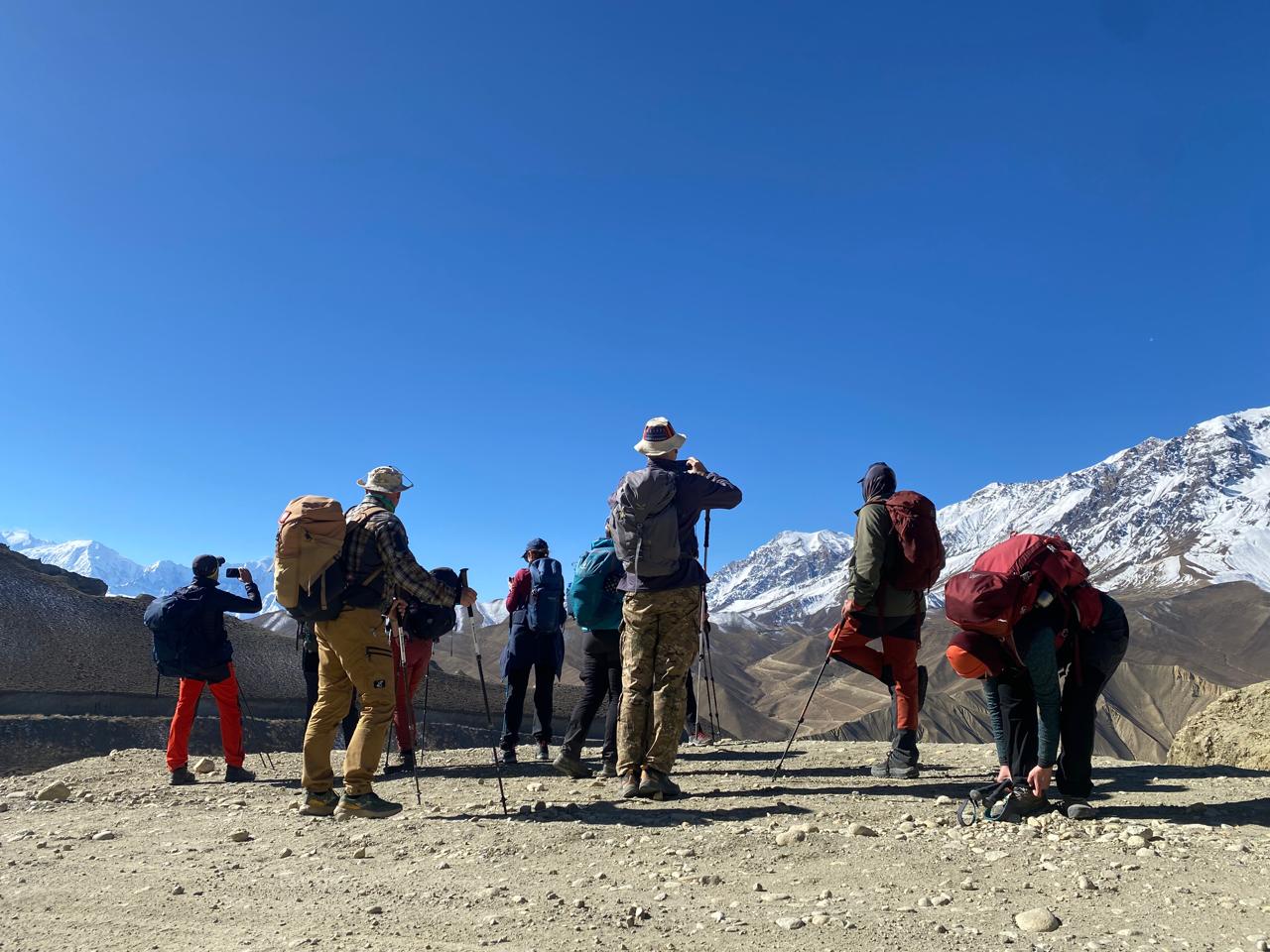
Nepal has four seasons namely, spring, monsoon, autumn, and winter. While most of the treks are doable throughout the year, autumn and spring are the most ideal. This is because of the predictable weather pattern and comfortable temperature.
Spring
It is a peak trekking period that receives a significant number of travellers every year. This season has warm temperatures that make trekking convenient even at higher altitudes. Similarly, it has daylight hours, which removes the need to rush the trek. Therefore, trekkers can maintain a slow walking pace that improves physiological adjustments. The skies are clear; this brings out the unobstructed panoramic views. Additionally, there are fewer probabilities of cancellation or delays of domestic flights.
Early March may have a hint of cold feeling in the air as winter bids farewell. However, the temperature quickly rises from the middle of the month, making it pleasant for trekking. During this time, the trails remain dry and stable, decreasing the chances of minor injuries. Similarly, it does not pose the threat of any major natural disaster.
Alongside the safety, spring also showcases unmatched panoramic views. Even the long-distance mountains are visible, and the alpine flowers start flourishing, which provides extra radiance. The mountain animals and migrating birds start moving back to the himalayas. Therefore, trekkers may spot them if they are at the right place at the right time.
Autumn
This is regarded as the best time of the year for Nepal trekking. Starting from September and ending in November, it offers pleasant environmental conditions. As the monsoon season ends, the atmospheric dust clears and reveals crisp and sharp sweeping views of the himalayas. There might be occasional rainfall during early September but usually it is manageable with waterproof trekking gear and good boots.
Additionally, this is also an ideal period to observe the festivities, as it coincides with numerous festivals, such as Dashain and Tihar. The temperature during this season is slightly warmer than in spring, so the trails are firm and easy to walk on. Ample daylight hours provide enough time to rest on the way and keep a slow speed and gradual elevation gain.
This reduces muscle strain and the chances of Acute Mountain Sickness. Furthermore, domestic flights are less likely to get suspended or delayed, which removes the need to add buffer days in the itinerary. The clear skies mean excellent visibility, which makes navigating the trails easy.
Off-Season Trekking in Nepal

Spring and autumn are the most suitable times does not imply that you cannot trek the remaining time of the year. With that, here is a detailed description of the off-season journey and tips to make it easier.
Monsoon
It starts in June and ends in August. Most trekkers avoid this season due to frequent rainfall that makes trails slippery and muddy. This makes it difficult to be stable on the trail and increases the chances of tripping and falling, which can be very dangerous. To avoid this, wear sturdy boots with ankle support and use trekking poles or sticks. In forestry regions leeches and bugs are prevalent, so carry insect repellents and anti-leech lotion.
There are possibilities of landslides, rockfalls and soil erosion that can halt the trek briefly, causing trail blockages. However, it is usually fixed by the guides or villagers as quickly as possible. On the brighter side, this is a suitable period for people who love their solitude and do not like big crowds. This is because compared to the peak seasons, traffic is much less even in the most famous destinations.
Trekkers feel close to the nature and closely interact with the mountain people. Furthermore, this also removes the need to book teahouses in advance. When it is not raining, views are crystal clear, revealing breathtaking sights. Similarly, the vegetation is in its most luscious form, along with the cascading waterfalls and fast-flowing rivers.
Winter
This season in Nepal goes from December to February and has cold temperatures and receives snowfall. It is not the most suitable time for trekking due to frost and occasional icy trails, which can make walking challenging and slippery. At higher altitudes, trekkers may suffer from frostbite and hypothermia. Similarly, snow accumulation may block trekking trails and mountain passes, so keep a few buffer days to adjust accordingly.
Even though the cold does not cause Acute Mountain Sickness it may potentially create situations that amplify it. For example, our bodies use oxygen to stay warm, increasing the energy consumption. Similarly, bodily fluids are lost quickly in cold environments, so eat foods that are rich in carbohydrates and stay hydrated. Close to the mountain regions, be careful about avalanches and snowstorms.
Despite all these challenges, a winter trek is absolutely doable with proper caution. Tekkers should wear waterproof and insulating winter gear to be warm. Additionally, hire an experienced guide who is trained to handle emergency situations. Also, make sure they are familiar with the trekking regions and their alternative routes.
Take a porter to carry your luggage through the uneven terrains so you can just focus on completing the journey. Moreover, it also reduces the strain in muscles and joints, ensuring you can walk for longer hours. With good preparation, trekkers can enjoy sharp mountain views and have a serene experience. The forests and villages covered in snow appear no less than a winter wonderland.
Solo Trekking In Nepal
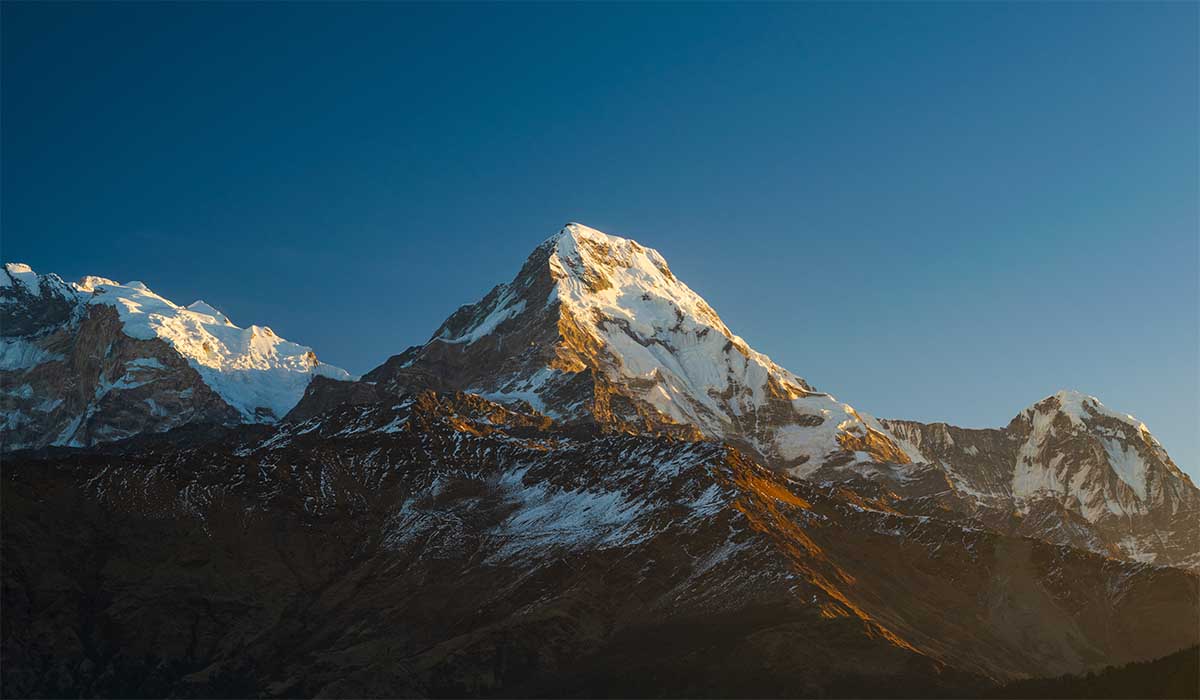
In recent years, Nepal has introduced significant changes to its trekking regulations to improve trekkers' safety. As of 2023 policies, foreign trekkers are generally not allowed to trek independently on most major Himalayan routes. They need to have a licensed local guide with enough experience. This also aims to improve the local economy and the country’s tourism.
Trekkers must go through registered tour operators to obtain the necessary permits.
Annapurna region
Langtang Valley
Manaslu Circuit
Upper Mustang
Upper Dolpo
Nar Phu
Tsum Valley
Restricted areas have always required a minimum of two trekkers and a licensed guide, solo trekking has never been permitted. However, there are some exceptions where you can go for solo trekking. The Everest region, local authorities in the Khumbu area continue to permit trekkers without formally requiring a licensed guide. They believe this rule harms the regional economy and reduces tourist flow.
Keep in mind, the rules can change, so check before you head for an independent endeavor. Lower elevation destinations, like Shivapuri, Champadevi, and Chisapani Nagarkot, are the most famous treks amongst the solo trekkers.
What Happens If You Are Caught Trekking Solo?
If authorities discover that you are on a trail or in a protected area without a guide, you have to face legal punishment. You may have to pay a monetary fine, which is usually double the amount of the actual permit cost. Similarly, authorities at checkpoints stop you from moving forward and return you to the nearest town.
If you are caught in Restricted Area by yourself, this can lead to a formal investigation by the Department of Immigration. After that, trekkers are usually deported to their country and banned from entering Nepal in the future. Therefore, to avoid legal trouble, ensure personal safety, and enjoy the trek responsibly, follow the necessary governmental rules and regulations.


.webp)