Golden Rules For Avoiding Acute Mountain Sickness
Ascend Slowly
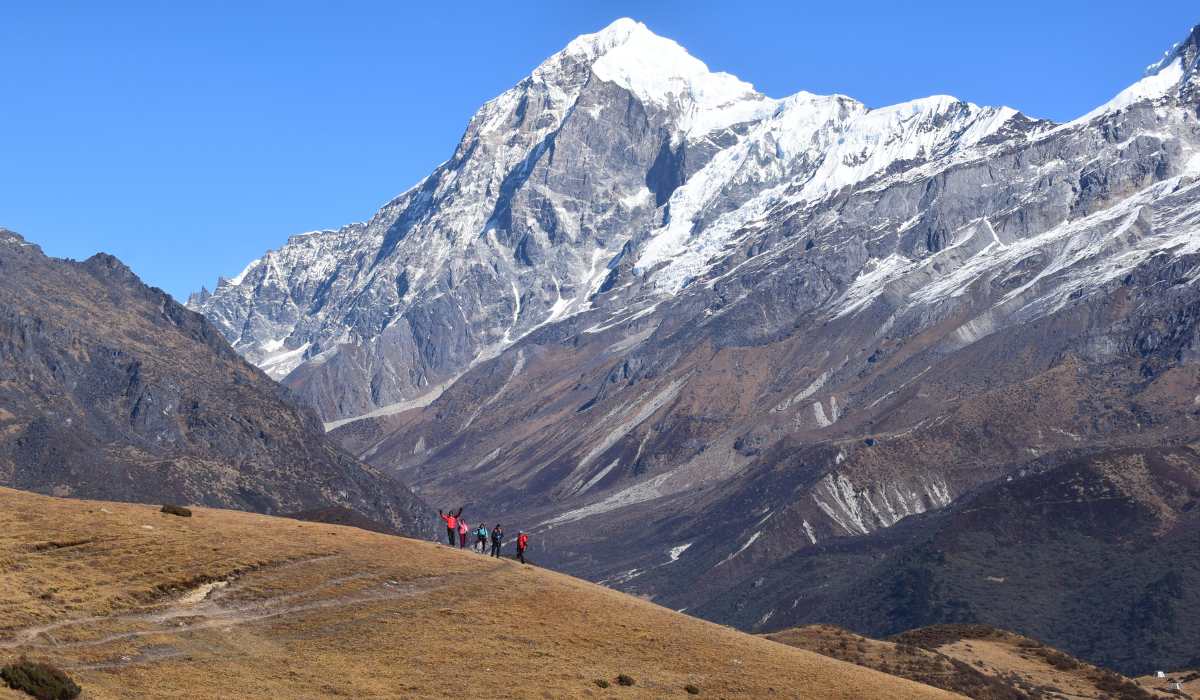
The simplest yet effective way to minimize the chances of AMS is to maintain a steady pace. It is recommended to cover about 600 to 900 meters above 3,000 meters. Rapid ascent forces your body to work harder even to complete normal functions. Similarly, slow ascent provides enough time to make physiological adjustments. With controlled altitude gain, it is easier to notice early signs of discomfort and prevent it from getting worse.
Stay Hydrated
Even though dehydration does not cause Acute Mountain Sickness, it can trigger or amplify the symptoms. It makes blood thicker, which makes oxygen delivery to the tissues slower. At high altitude, this can result in headache and dizziness. Trekkers should take about 3 to 4 liters of water per day. Alternatively, you may also go for electrolytes or hydration boost gels. Bring your own water bottle and refill it at teahouses and purify it using purifying tablets. Even if you do not feel thirsty, take a sip every 15 to 20 minutes.
Incorporate Enough Rest Days
Acclimatization helps your body gradually adapt to new environments with changed temperature and altitude. These rest days give you time to relax and reenergize to trek the next day. Additionally, go on short hikes and explore the nearby places. This keeps you active, stabilizes your breathing, and improves oxygen absorption and distribution.
Listen To Your Body
Do not ignore or dismiss the early signs of Acute Mountain Sickness. These often include headache, tiredness, nausea, dizziness, and no appetite. It is your body’s way of telling you it needs time to adjust. Therefore, as soon as you experience even mild discomfort, pause trekking forward and rest up, or walk back to the lower elevation. Only continue after your body stabilizes. However, if the symptoms persist or get worse, get medical treatment.
Use Preventive Medicines
You can get several over-the-counter tablets that reduce the chances of Acute Mountain Sickness. Among them, Acetazolamide (Diamox) is the most widely used to help your body adjust more efficiently to the high altitude and low temperature. However, do consult your doctor before using it.
Also, realize that you should not overconsume it; take only the recommended dosage (125 mg, two times a day). Start a few days before the ascent and continue till you are at the high elevation. Otherwise, you may experience side effects such as a tingling sensation in your fingers, altered taste, and frequent urination. Even though Diamox is safe for most people, if you have kidney or liver disease and are allergic to sulfa drugs, avoid it. Additionally, pregnant or breastfeeding women should also not take it until it is approved by a doctor.

Do Not Smoke or Drink
Consuming alcohol while trekking causes dehydration and disturbs your sleep. Not getting proper rest increases physical and mental exhaustion. This makes trekking for long hours extremely challenging and may even cause accidents. Alcohol makes you feel dizzy and makes you lose concentration, increasing the chances of tripping and falling. Furthermore, it masks the early symptoms of AMS, such as headache. Likewise, smoking cigarettes reduces the lungs’ capacity to absorb oxygen, which is dangerous in high altitudes where oxygen is already low.
Avoid Using Sleeping Tablets
Many trekkers take the help of sedatives like benzodiazepines to rest well. However, it slows down the respiration rate and disrupts the flow of oxygen to the brain. Some sleeping tablets also result in poor coordination and drowsiness, increasing the risk of falls while trekking. Here are a few sedatives to avoid:
Temazepam (Restoril)
Lorazepam (Ativan)
Diazepam (Valium)
Alprazolam (Xanax)
It is better to consume herbal remedies, like chamomile tea, valerian tea, lavender tea, and passionflower tea to prevent insomnia.
Ginkgo Biloba Extract
It is an herbal supplement that is widely known for enhancing blood circulation and improving mental concentration. Many trekkers use it with this belief to support the body’s adjustment to high altitude. However, it also has several side effects, like dizziness and digestive issues. Therefore, it is important to only take the recommended dosages, which are 40 to 120 mg. It should also be avoided by heart patients who use blood-thinning medicines, as it may lower the blood pressure, making you feel weak and tired.
Garlic Soup
You can find traditional garlic soup in almost every teahouse while trekking in Nepal. Trekkers believe it makes blood thinner, improving the blood flow and promoting oxygen delivery. Likewise, it also cures the mild symptoms of Acute Mountain Sickness. The soup boosts hydration and keeps the body energized for a long time. Ginger tea and black peppermint tea are also used to keep nausea and dizziness under control.
Carry Light Backpacks
Overpacking may seem harmless, but it causes overexertion, which indirectly contributes to Acute Mountain Sickness. Having to carry a heavy load while trekking, especially on difficult trails, increases energy consumption. Additionally, this causes stress in the knees and ankles while walking on downhill routes. Since you are low on energy, the acclimatization process slows down. Therefore, take the essentials only and go for lightweight trekking gear. Or you may hire a porter so that he transports your heavy luggage while you can walk comfortably, enjoying the views.
Trek In a Group
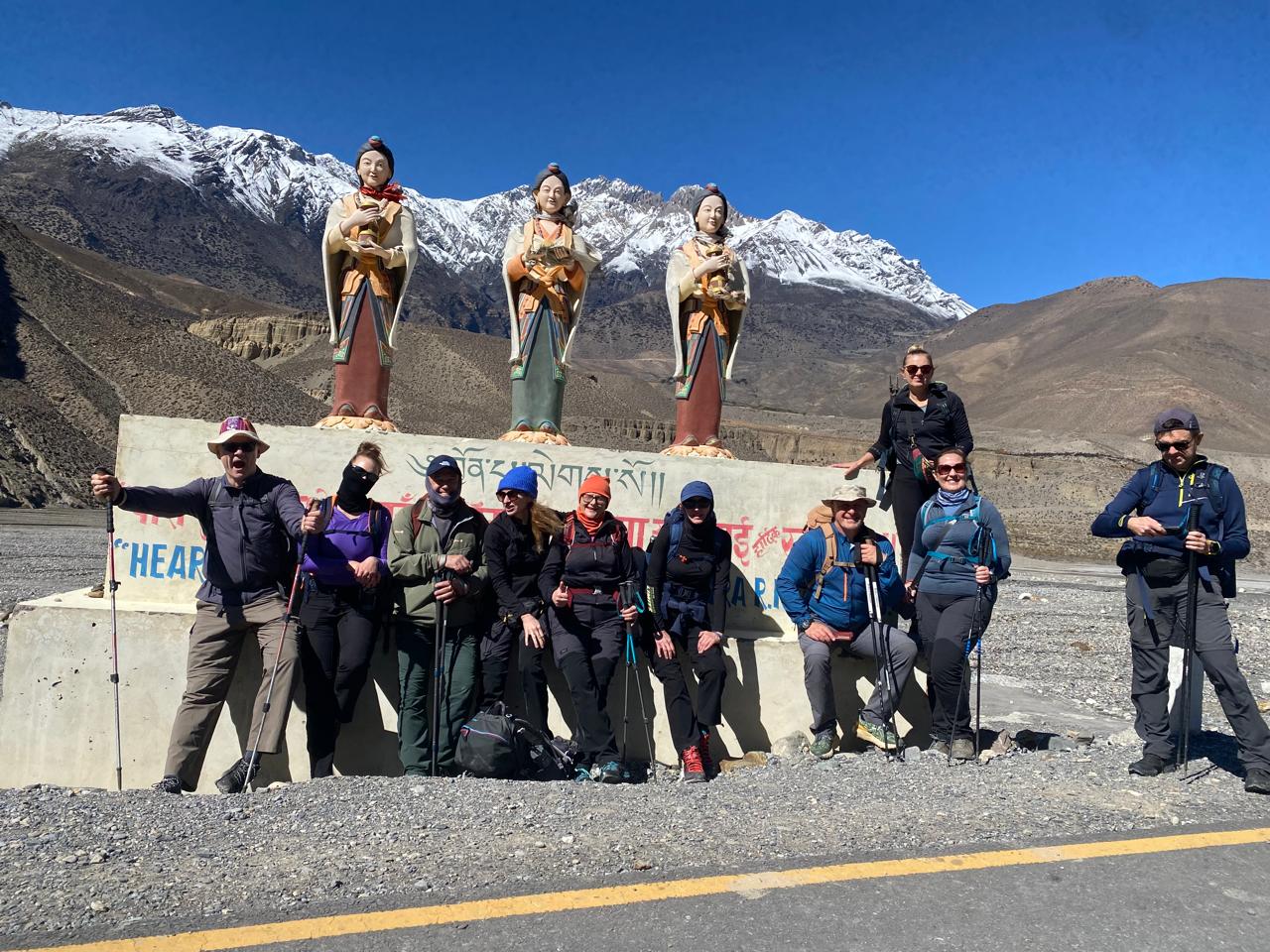
Even though solo trekking may sound fun, it is important to understand that you will be on your own during emergencies. So, being in a group means that your fellow trekkers or guide can monitor your health and recognize the earliest signs of discomfort. Moreover, in case you fall sick, they will provide you with basic first-aid care and seek medical support as soon as possible. Guides also provide valuable strategies to maintain a proper diet and keep a steady pace to prevent Acute Mountain Sickness.
Dress Properly
It is very important to wear proper clothing during high-altitude treks. This is because in the highlands, the temperatures shift rapidly regardless of the season. While this does not directly affect Acute Mountain Sickness, it improves physiological adjustment. If you are not dressed in warm layers, your energy is used to keep your body warm rather than trekking. Therefore, a warm down or fleece jacket, insulating innerwear, and pants trap your body heat. Staying warm also provides sound sleep, improving muscle recovery and hydration retention, which improves acclimatization.
Temporarily Stop Trekking at Mild Signs
Never push yourself to keep walking by underestimating the mild symptoms. While they may not feel alarming enough to stop the trek, understand that this means your body is not well-adapted to the environmental changes yet. Therefore, take rest wherever you are for at least a day or until there are no signs of discomfort. While doing so, focus on eating energy-giving food that speeds up the recovery. Once you feel better, proceed with trekking with caution and monitor your health constantly.
Descend If Symptoms Persist
Even after resting, if you continue to feel lousy or dizzy, then go to the lower elevations. It immediately reduces the muscle and lung strain caused by low oxygen levels at higher altitudes. In the lowlands, your body can absorb oxygen more efficiently, quickly supplying it to the vital organs, like the heart and brain. Furthermore, in case of more serious conditions like HAPE or HACE, heading back down is not an option, it is a necessity. This is because resting and taking medications are not enough to cure them.
Help Those Showing Signs of Altitude Sickness
If someone is sick, it is important to act quickly. Provide them with basic first-aid treatment, make them rest, and feed them carbohydrate food. If symptoms get worse, descend to a lower altitude immediately, as this is the safest way to prevent serious illness. For severe signs, like confusion, extreme shortness of breath, or difficulty walking, take them to the nearest clinic or hospital.
Trek High and Sleep Low Rule
It is a golden rule to avoid Acute Mountain Sickness that experienced trekkers and guides follow. Even if you walk to a high elevation during the day, return to a lower elevation to sleep at night. This reduces exposure to thinner air for a short time, encouraging acclimatization and allows time for muscle recovery.
Pre-Trek Preparation
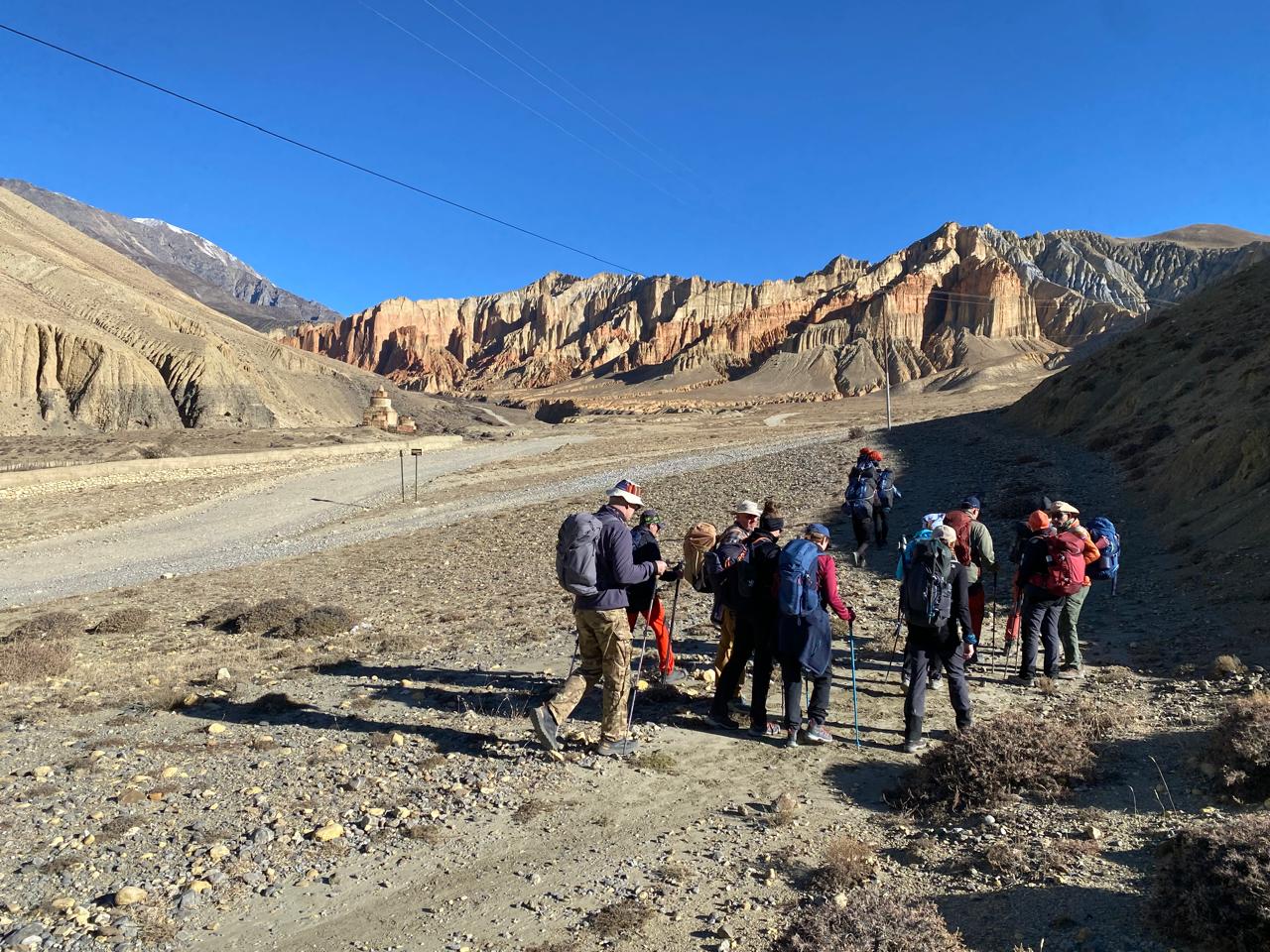
Acute Mountain Sickness is also influenced by how trekkers prepare themselves for the high-altitude endeavor. Improving physical and mental stamina significantly boosts adaptation.
Cardiovascular Fitness
Practice exercises that improve your heart health at least 2 to 3 months before the actual trek. It improves your aerobic base, lowering your heart rate while trekking. This reduces the stress and helps trekkers walk steadily and calmly. Some of the activities that optimize cardiovascular fitness are listed below:
- Cycling
- Jogging
- Swimming
- Long-distance run
- Stair climbing
- Brisk walking
- Short walking
It is better to practice them as interval training, where you alternate between putting in more effort for a short time and then going easy for a longer time.
For example, run or walk uphill for about 2 to 3 minutes, then take a rest or go slower for the next 2 to 3 minutes. Similarly, being consistent is more beneficial than training intensely for a brief time, as this allows for gradual improvement. During short hikes or runs, pick the location that mimics the ascents and descents of a high-altitude trek.
Furthermore, carry a loaded backpack to get the actual experience of the trek and strengthen legs, core, and back muscles. Doing so also gives you an idea about weight distribution and strap adjustments. This lowers the chances of back and shoulder strain while trekking.
Medical preparation
Before going on a high-altitude trek, it is suggested to get your whole body checked. This helps identify if there are any underlying medical conditions, like asthma and high or low blood pressure. Likewise, consult with your doctor to make sure you can take the AMS medicine. Discuss your prescribed medications, as inhalers or diabetes pills, may interact with AMS pills, like Diamox. Furthermore, some tablets can also affect hydration and breathing rate, which can be dangerous.
Breathing exercises
While practicing them does not prevent AMS, it helps with better oxygen absorption. It improves the lung’s capacity and provides more efficient oxygen delivery. Here is how to practice them to get optimal results:
- For the pressure breathing technique, you inhale deeply first through the nose and then purse your lips. After that, exhale all the air from the mouth.
- Diaphragmatic breathing, also known as belly breathing, teaches how to engage your diaphragm instead of the chest. Start by placing your hand on your belly and inhaling without raising the shoulders, and then fully exhale.
- Rhythmic breathing syncs your breath with your footsteps while trekking. In the lower elevation, you may inhale and exhale every two steps, and above 4,000 meters, do this every step.
Setting realistic goals
While deciding on the itinerary, consider your health, pace, and stamina. Never prioritize reaching any destination over your well-being. Strategically place an acclimatization to allow for the necessary physiological changes. Moreover, pushing yourself more does not prove anything, instead, it puts you at high risk of Acute Mountain Sickness. This is because it increases physical fatigue and delays muscle recovery. Furthermore, keep a few buffer days to accommodate a few extra rest days if needed.
Planning nutritional intake
Eating fresh, energy-rich, and warm meals reduces the risk of Acute Mountain Sickness at high-altitude treks. This is because our body requires more energy to perform even the simplest activities in cold temperatures and low oxygen.
Foods that provide carbohydrates, such as rice, potatoes, and grains provide energy for long periods. Likewise, consume meals that are easily digested, as this results in better nutrient absorption without straining the digestive system. Similarly, carry snacks, like dark chocolate, nuts, and dried fruits. It gives an instant boost of energy if you feel weak while trekking.
Guides and Porters
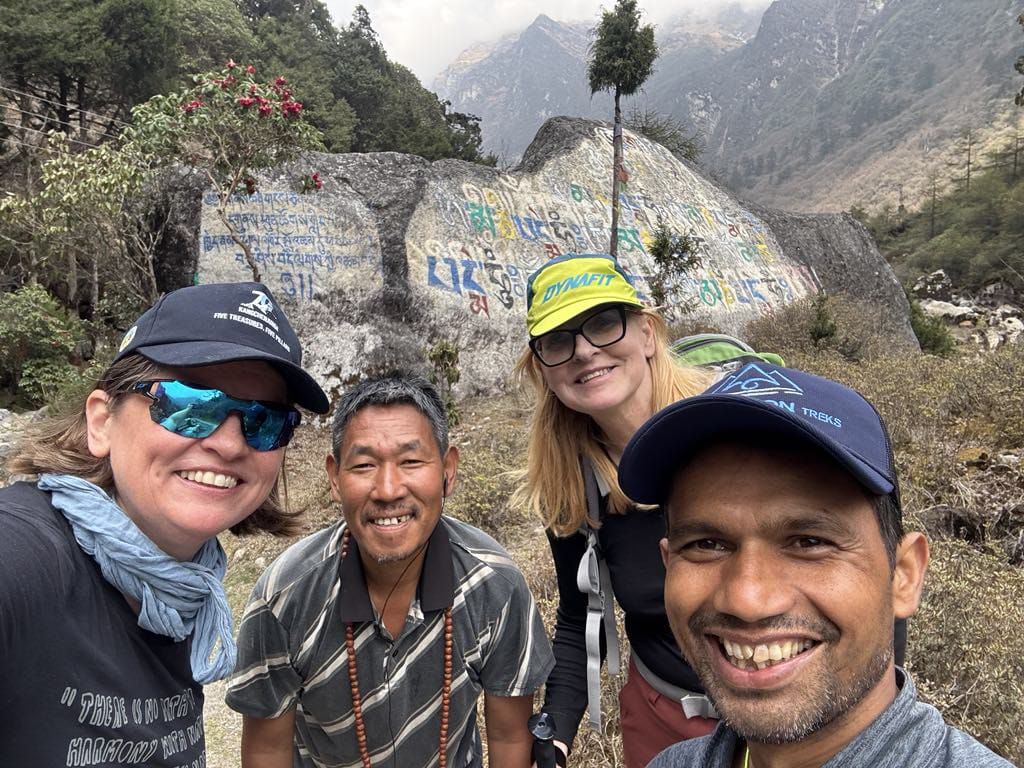
Hiring a licensed and experienced trekking guide does not just offer convenience but also improves safety. They can notice even the earliest signs of altitude discomfort that normal trekkers can not spot. After that, they promptly offer treatments to minimize them and prevent them from getting worse.
Throughout the trek, guides monitor your health, like checking the oxygen level with an oximeter. Additionally, they observe changes in breathing patterns and walking pace that may look normal to the trekkers.
Talking about porters, they carry your bags while on the trek, reducing physical strain. Likewise, this allows you to maintain stability on the uneven trails. Lastly, they manage the lower descent if you experience mild signs of AMS and help you get better. If the symptoms continue or become worse, then they make the decision to either continue the trek or discard it. Similarly, during more severe conditions, guides and porters together coordinate emergency helicopter evacuation with your insurer.
General Queries

How long does it take for AMS to develop?
First symptoms typically appear within 6 to 24 hours after being at a high altitude. The earliest signs may often not be noticeable and be overlooked, deteriorating your health even more.
Do seasonal changes increase or decrease the chances of AMS?
The risk is always there regardless of the weather. However, it indirectly influences the symptoms. Spring and autumn have clear weather and warm temperatures, reducing bodily stress and making acclimatization easier. Similarly, winter cold increases energy consumption and rainy periods make trails slippery, requiring extra effort. This causes overphysical exertion and may trigger altitude sickness.
Is altitude sickness fatal?
The mild signs, like headache, dizziness, and muscle strain go away with rest and descend. However, serious cases, such as HAPE and HACE, can be life-threatening if not treated on time. During such conditions, never proceed with trekking further and get professional help as soon as possible.
Do fit and athletic people also get Acute Mountain Sickness?
Absolutely! Being physically fit means better stamina and endurance, which reduces the risk. However, this does not imply that you are immune to AMS.
At what altitude can altitude sickness begin?
It can begin around 2,500 to 3,000 meters, and the threat increases as you ascend higher. Meanwhile, HAPE and HACE generally occur above 4,000 meters. If you gain elevation rapidly, then the symptoms can show up even below 2,500 meters.
What is a safe elevation gain per day?
Below 3,000 meters, keep it between 600 and 900 meters. Trekking beyond that, it is recommended to keep it under 500 meters with acclimatization days every 1,000 meters.
Are people with heart issues more prone to altitude sickness?
Yes, such a health condition makes it more difficult for efficient oxygen delivery. Additionally, they can feel breathlessness more frequently than healthy individuals. This increases the risk of severe symptoms of AMS.


.webp)