Can You Really Trek Alone In The Restricted Areas Now?

Yes, you can trek solo now, but with a licensed guide via a trekking agency. Even though the update has removed the rule of “at least two trekkers," one cannot opt for the trek all by themselves. Although trekkers are not allowed to trek completely alone, they surely get a more personal trekking experience. Additionally, this gives flexibility and freedom to explore the restricted region on your own terms. Unlike before, you do not have to compromise and find a middle ground that works for your fellow trekkers in the group. Now, you may make customization based on your preferences and pace and enjoy a more relaxed trek.
What Has Changed vs What Still Remains The Same?
The 2026 update has caused a significant shift in how trekkers may explore the restricted areas. However, the overall framework and the system are still the same.
What Did Change
- Even 1 person can now obtain the Restricted Area Permit (RAP).
- No hassle of finding a trekking partner or needing to join a group.
- The online system also now accepts solo permit applications (via trekking agency).
- A single guide can only lead a group of a maximum of 7 trekkers; before, there was no such limit.
- The trekking agency is responsible for the general trekking logistics, the trekker's safety, and managing emergency rescue operations.
- Before, to apply for RAP, it was mandatory to have a Nepalese visa. Now, you can enter your visa application number (submission ID).
What Did Not Change
- Trekkers have to apply for the Restricted Area Permit through a registered trekking agency in Nepal.
- Solo trekkers can not obtain the permits by themselves.
- It is mandatory to have a licensed guide to assist with the trek.
- If any independent trekkers are found trekking without a guide, they will face legal consequences.
Mandatory Requirement: Why Do You Still Need A Guide?
Simple answer, for safety, trail navigation, and immediate assistance during emergencies.
Even though the solo trekkers are now accepted, the fact is that these are still restricted regions. So, it is important to monitor the movement of the trekkers. Similarly, located in the remote highlands, restricted regions have limited infrastructure. Additionally, the trails do not have clear markings like classic treks, so navigation can be confusing. The weather conditions are also unpredictable and can change in the blink of an eye. With that, below are the major roles of guides while trekking the restricted areas of Nepal.
- They help with navigation around the restricted regions.
- In case of emergencies, the guide provides primary care and manages the emergency helicopter evacuation with your insurer.
- They manage permits and documentation at the checkpoints.
- Licensed guides have training to handle high-altitude emergencies.
- They are familiar with the safest trekking routes.
- Monitor and assess trekkers’ altitude sickness and provide immediate care.
- Guides provide trekkers with information about how to keep respectful interactions with the locals
- Hiring a local guide provides an employment opportunity and uplifts the regional economy.
Why Are Trekking Agencies Still Mandatory?

The primary reason is that they act as a channel between the trekkers and the authoritative bodies. Tracking the movement of the trekkers becomes easier when a registered trekking agency is involved. So, even if a licensed guide offers to lead you on a trek in a restricted area of Nepal, understand that you have to go via a registered trekking agency.
- Agencies help the government to monitor the trek to make sure everything is legal and safe.
- Remote regions have limited or no health infrastructure, so trekking agencies provide essential safety tracking. Typically, even in the areas with no network, they can communicate with their team in Kathmandu and coordinate rescue operations.
- They make sure the ecosystem, historical monuments, and ethnic communities stay protected.
- In case trekkers fall sick or get injured, their team manages the emergency rescue operations as soon as possible.
What are Nepal’s Restricted Areas, and Why Was Solo Trekking Banned?
Restricted Regions are specific Himalayan areas where the government maintains controlled access. Many of them are located near the international border (Nepal-China), requiring regulated and well-monitored movements of the trekkers. Similarly, they have a fragile ecosystem and are often home to unique ethnic communities. These places are extremely remote, with minimal communication networks and medical support. Therefore, the government did not allow for solo trekking in Nepal’s Restricted Areas due to the following reasons.
- For border security and minimizing the possible risks of illegal activities around it.
- Due to safety concerns, trekking alone in these areas is dangerous, especially during emergencies.
- It is difficult to arrange rescue operations in time as an independent trekker.
- Authorities found it challenging to track and manage the safe journey of individual trekkers in isolated regions. This would prevent providing the necessary support on time.
How to Apply for a Restricted Area Permit Online in Nepal
The Department of Immigration updated the RAP system in 2026. Now, they can handle the application digitally making it more organized and faster. Before this digitization, trekkers had to complete manual paperwork and in-person coordination. However, now trekking agencies can register for RAP via the DOI’s official website. This not only reduces the processing time and the hassle of paperwork but also improves tracking and offers transparency.
Online Restricted Area Permit Digital Application Process
- Choose a registered trekking agency.
- Discuss your itinerary and other details.
- Provide your agency with a passport, a copy of your Nepali visa or a submission ID. Similarly, give them travel insurance details and 2 or 3 recent passport-size photos.
- The agency then uploads your details for the RAP application into the online permit system.
- After approval you will receive a digital permit record and a printout of the RAP copy or permit confirmation sheet to show at the checkpoints.
Who Benefits from the Nepal Restricted Area Trekking Update 2026?
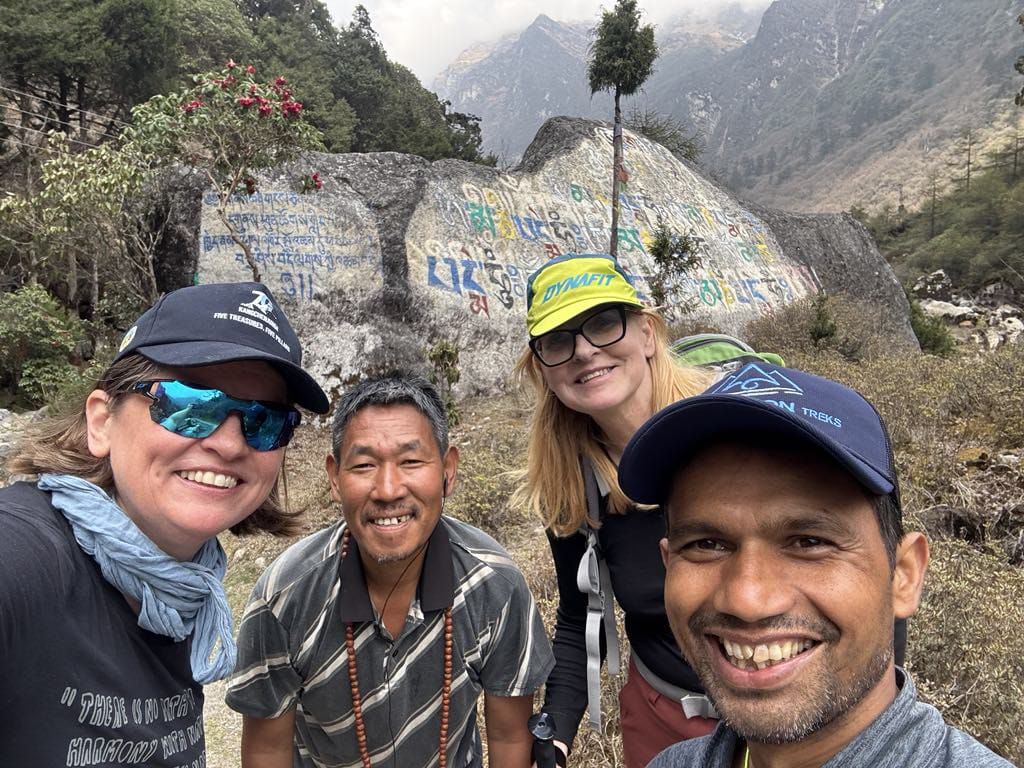
Solo trekkers, International trekkers with fixed schedules, photographers and cultural explorers.
The recent update removes one of the biggest barriers in restricted area trekking, the minimum two-trekker requirement. With that, here is a comprehensive description of how it impacts different types of explorers in practical ways.
Solo Trekkers
The ones who benefit the most are definitely the solo trekkers who have always dreamt of this change. They no longer have to join a random group or stress about finding a perfect trekking partner. Similarly, such trekkers can now enjoy a peaceful experience with just a guide by their side, leading the way and making the journey safer. This suits individuals who prefer to walk in solitude and seek a sense of isolation.
Trekkers With Fixed Schedules
Most of the foreign trekkers have a strict holiday schedule. Before, they had to coordinate with travel agencies or other trekkers in advance and adjust their travel plan. Oftentimes, they would face the hardship of change in plans or delays due to their fellow trekkers. So, it would cause inconvenience for them to explore the restricted areas of Nepal within a certain time frame.
However, this restriction is no longer there after the recent update. They can now arrange the trek according to their calendar. Moreover, they can even make changes in the itinerary according to their pace and preferences, which may save extra time. Even on the trails, they won’t need to match others’ pace or stay with a group.
Photographers
Professional photographers and content creators fall among the key beneficiaries of Nepal’s 2026 restricted area trekking update. They no longer have to depend on the group or a fellow trekker’s availability. Previously, this would have limited the flexibility of filming in the remote areas. Now, they can plan their itinerary depending on the lighting, seasonal landscapes, and the visuals they prefer. Another major advantage is the ability to arrange a private licensed guide, which supports flexible pacing and shooting schedules. Moreover, they do not have to pace according to the group's itinerary and risk missing their preferred shots. Photographers can take their time, fix the angle and get that perfect click.
Filming policies in restricted areas of Nepal
- You can take pictures and videos. However, if you are filming the locals, ask for their permission first, as a courtesy.
- Look for pictures or video signboards inside monasteries or get approval from the monks.
- For professional filming and commercial shooting, one needs to get special permission from the Department of Immigration or the Ministry of Information. Typically, your trekking agencies like Ace Vision Treks help arrange it.
- Drones are typically now allowed in restricted areas, so you need approval from the Civil Aviation Authority of Nepal (CAAN).
Note: You must not take pictures or videos of military posts and border checkpoints.
Cultural Explorers
Trekkers who prioritize cultural immersion can now choose independent travel over group trekking. They can take their time to explore the culture and traditions of the ethnic communities which allows for more authentic and personal interactions with the locals. Moreover, trekkers can plan their treks around specific festivals and observe the celebrations or even be part of them.
How To Obtain The Nepal Restricted Area Permit In 2026?
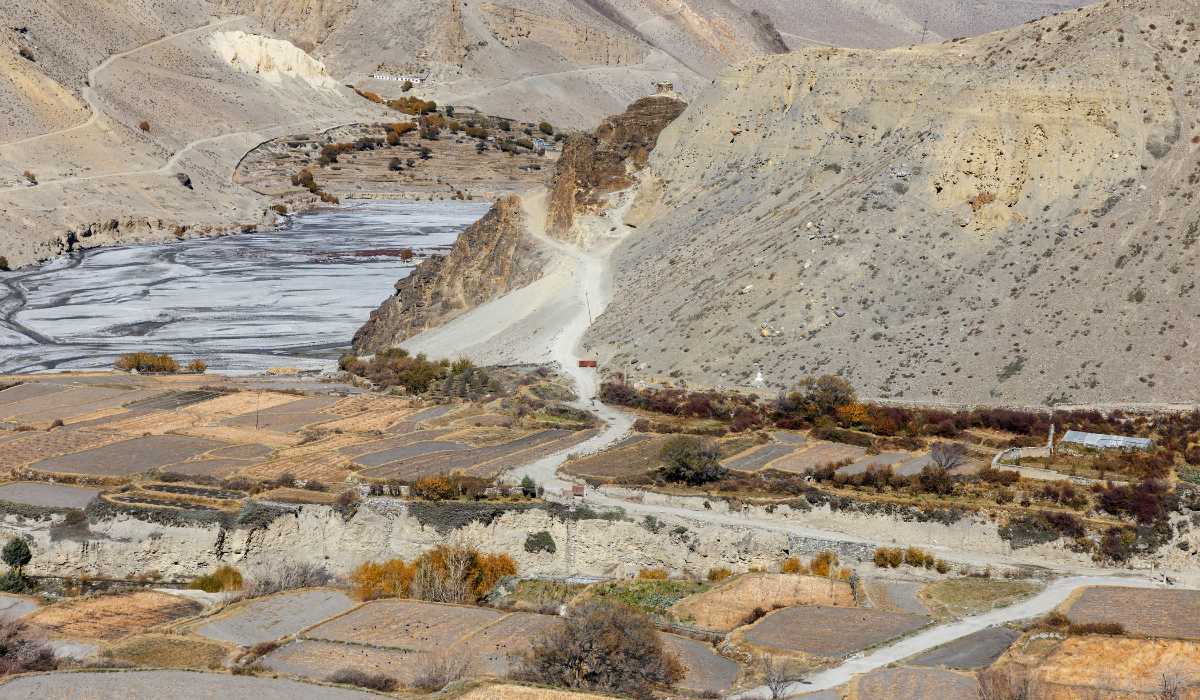
Find Trekking Agency
Look for an agency registered with the Trekking Agencies' Association of Nepal. After that, they will prepare an itinerary for you and fix a date. Once that is done, you submit the necessary documents either online or in person, and they proceed with the application. You do not have to wait till you get your Nepal Visa like before; the visa application submission is enough.
The Application Process
Now, your job is done; the trekking agency submits your application to the DOI of Nepal.
- They enter your personal details
- Upload the necessary documents
- They provide information of your trekking guide
- Confirm your trekking routes and dates
Processing and Approval
It takes about 1 to 2 working days for the authorities to process and verify the documents. Once it gets approved your agency will inform you about the status. Get your Restricted Area Permit from the agency after arriving in Kathmandu. Make sure to carry them with you while trekking, as you have to show them at multiple checkpoints.
Restricted Area Permit Cost 2026
| Region | Fee | Extra Days |
| Manaslu Circuit | $100 (September to November for the first 7 days) $75 (December to August for the first 7 days) | $50 per day $10 per day |
| Upper Mustang | $500 for the first 10 days | $50 per day |
| Tsum Valley | $40 (September to November for the first 7 days) $30 (December to August for the first 7 days) | $7 per day |
| Upper Dolpo | $500 for the first 10 days | $50 per day |
| Nar Phu Valley | $100 for the first 7 days | $15 per day |
| Kanchenjunga | $20 per week for the first 4 weeks | $25 per week beyond 4 weeks |
Why Book A Restricted Area Trek With Ace Vision Treks?
We have several years of experience coordinating treks in the restricted region. As a registered trekking agency we have a team that prioritizes trekkers’ safety and comfort above all. Our guides have training from the Nepal Academy of Tourism and Hotel Management or the Nepal Mountain Academy.
- We offer complete trek customization
- Our team handles the complete permit application process (cost included in package)
- We handle all the logistics, like food, accommodation, and transportation, during the trek
- Our guides are fluent in English communication, can handle high-altitude emergencies, and are familiar with the restricted region
- Full support to arrange and coordinate emergency helicopter evacuation services
- We comply with the government policies and conduct a legal and responsible trek