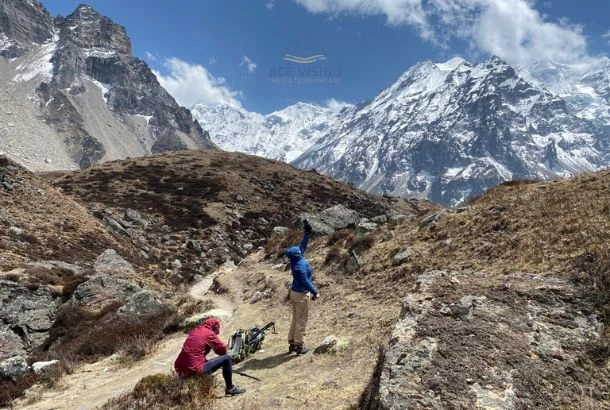
Everest Base Camp Trek Cost
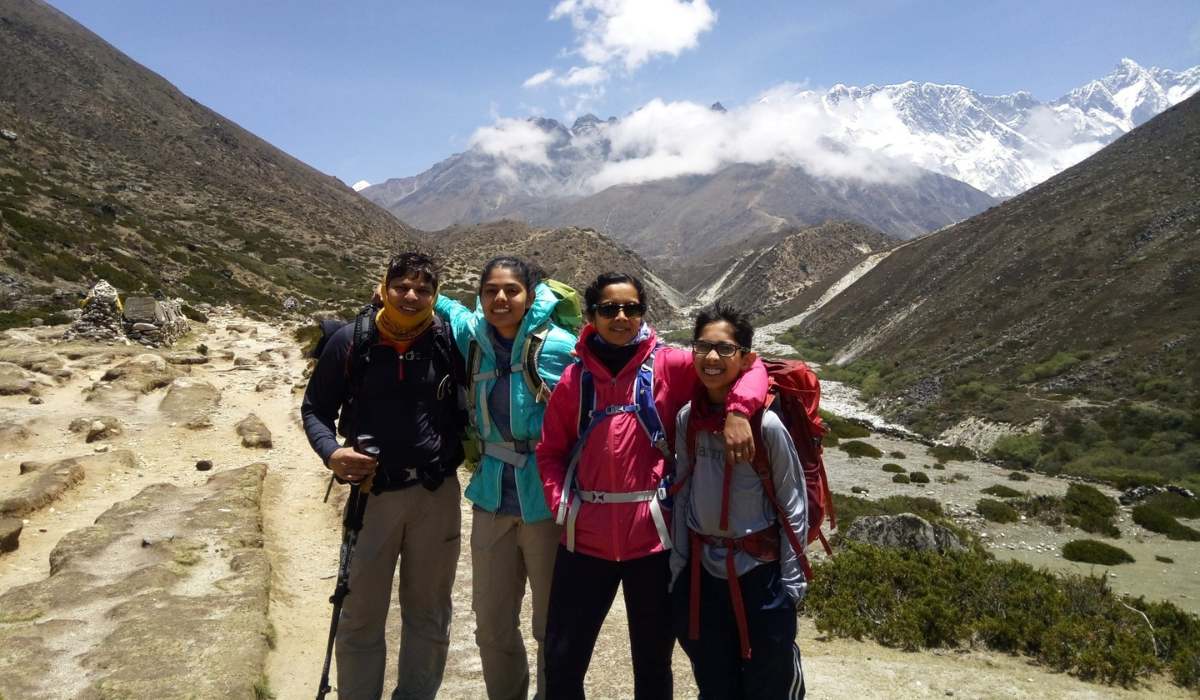
A standard package is around $1,849 per person; this can differ depending on the total number of travelers in the group. The per-head price typically decreases with more people joining the journey. Likewise, the level of service offered can also make a difference in the final price. There are two options that trekkers can choose from: the service-oriented packages and the budget-friendly option.
Service-Oriented Packages
Ace Vision Treks EBC Trek package cover the primary services that trekkers need, such as food and accommodation throughout the journey. Similarly, it also includes all the ground transportation and the Lukla flight cost. If the Lukla flight gets diverted to Manthali due to high traffic, the Kathmandu to Ramechap drive is covered.
It includes the Sagarmatha National Park Entry Permit and Khumbu Pasang Lhamu Rural Municipality Entrance Permit fee. At this cost, trekkers get an experienced English-speaking guide and a porter. Beyond this, there can be several additional expenses that a standard package does not cover. Therefore, here is a thorough cost breakdown of possible extra expenditure while trekking to the Everest Base Camp.
Hot Shower
Most teahouses and guesthouses charge about $3 to $8 per bath. However, the price can vary based on the altitude; it is generally greater at higher elevations.
Wi-Fi or Internet facilities
If you use the Wi-Fi services provided at the teahouses, it will be around $3 to $5 per device. At highlands, reliability and speed are not always guaranteed. Alternatively, you may opt for the mobile network internet facilities. They are typically reliable for basic communication even around the base camp. The Everest Link Card is another way to access the internet on the Everest Base Camp route. You can purchase it at Namche Bazaar, or Lobuche, or Gorak Shep. Likewise, some of the teahouses or stores along the way also sell them.
- 10 GB data card: around $20
- 20 GB data card: around $30
Personal Expenses
You may want to try traditional dishes (other than breakfast, lunch, and dinner) that are not included in the package’s food. Similarly, you should also carry quick snacks (chocolates, dry fruits, and nuts) for extra energy during the long trekking days. Additionally, you may also want to indulge in the sweet treats in the Himalayan bakeries along the way. For this, set aside about $5 to $10 per day. Likewise, bottled or filtered water costs about $1 to $2 per bottle.
Tipping
Providing tips to the guide or porter is not a must, but it is a way to show gratitude. They make your Everest Base Camp Trekking experience safer and more enjoyable. Therefore, $10 to $15 for a guide and $5 to $10 for a porter per day is a good amount.
Budget-Friendly Packages
This option primarily focuses on keeping the overall price as low as possible. Usually, the total cost is reduced by limiting a few services from the standard package. A group may be larger than general, or the food and accommodation may be more basic. Likewise, a highly skilled guide or a porter can be omitted. Lastly, trekkers may have minimal to no modification of the itinerary and have to follow the one set by the tour operators. Sometimes, the trek is shortened by removing a few days from the standard itinerary. However, even the budget-friendly Everest Base Camp Trek makes sure to provide a comfortable and enjoyable experience.
Everest Base Camp Trek Packing List

Here is a comprehensive list of what trekkers should carry for their EBC journey.
Clothing
- Thermal base layers
- Down or fleece jacket
- Waterproof jacket and pants
- Trekking pants and shirts
- Trekking boots and socks
- Warm hat, sun hat, buff
- Insulated gloves
- A poncho to cover your bag from the rain
Extras
- Power bank
- Snacks
- USB/adapter
- Ziplock bags (for rainy season)
- Travel documents and permits
- Trash-storing bag
- Sunscreen and lip balm with SPF protection
- Toiletries
- Headlamp
- Sunglasses with UV protection
- Refillable water bottle and purifying tablet
First Aid
- Prescription pills or medications.
- Pain relief tablets or sprays
- Blister tape or moleskin
- Bandage
- Altitude Sickness medicine, like Diamox (do not take it without consulting your doctor)
- Anti-leech ointment (for monsoon)
Essential Everest Base Camp Gear
Even though the trek is mostly non-technical, there are a few pieces of gear that trekkers should carry with them. Proper gear is important for a safe and comfortable journey to the Everest Base Camp. Likewise, essential trekking gear includes items that support your stability, safety, and daily needs on rugged high-altitude trails.
- Daypack (25 to 35 L)
- Trekking poles
- Backpack rain cover
- Sleeping bag
- Headlamp or a flashlight
- Water bottle or hydration bladder
- Water purifying pills or a filter
- Trekking gaiters
- Small lock
- Multi-tool or a pocket knife
- Thermoflask to carry boiled water.
Everest Base Camp Trek Weight Limit

At the starting and the ending point of the journey, we take the Lukla flight. They have strict weight standards, and trekkers should stay under them. In total, including the hand carry and the main luggage, they can take up to 15 kg (10 kg checked bags and 5 kg hand carry). If your bags are heavier than the weight limit, then you have to pay a fine of $1 to $2 per kg. Moreover, during the peak trekking season, they may even refuse to carry your excess baggage due to safety reasons. To stay within the limit, we suggest you put on your trekking boots and jackets on the flight itself.
Likewise, while packing, you should also be mindful of the porter. Typically, a porter carries about 25 kg of load in total (shared between two trekkers). So, an individual trekker should take about 12 to 13 kg. You should not overwork your porter, as doing so can put their safety in danger and may lead to accidents. Similarly, it can also slow down the entire group and may cause them to stumble or drop your gear.
Everest Base Camp All-Inclusive Packages
Unlike the standard service-oriented options, the all-inclusive package covers even your miscellaneous expenses. So, it is the easiest and most stress-free way to complete the Everest Base Camp Trek. It covers almost every aspect of the trek, so you don’t have to worry about logistics or personal expenses.
Generally, an all-inclusive EBC package covers the following.
- Pick-up and drop-off facilities from and to the Tribhuvan International Airport.
- Every form of transportation during the trek.
- Necessary permits.
- Food and Accommodation (feel free to request premium stays where available).
- Welcome and farewell dinner
- Hot showers
- Wi-Fi or other internet services
- Charging your electronic devices
- Exploration of the Kathmandu valley
- They either get travel insurance on your behalf or recommend a trustworthy insurer.
Best Time For The Everest Base Camp Trek
Spring and Autumn seasons are the best times for an EBC journey. However, trekkers can opt for this trek any time of the year by following safety precautions and taking help from an experienced guide and a porter. The Nepal Trekking season offers stable weather conditions, clear blue skies, and comfortable temperatures. Therefore, they showcase the best overall views and are the safest. Spring and autumn also have excellent visibility; this makes trail navigation easier and presents the clearest panoramic views. The lower village forests flourish with vivid shades of rhododendron during spring. Likewise, the wild animals remain active around this time so trekkers may spot them on the way.
The longer daylight hours allow trekkers to maintain a slow and steady pace. This reduces the physical strain and gives the body ample time to acclimatize properly. Therefore, there are comparatively fewer chances of Acute Mountain Sickness. Natural disasters like floods, landslides, and rockfalls are usually absent. However, trekkers need to be careful about the lingering snow patches during early May. Expect occasional post-monsoon rainfall in early September and pack accordingly.
If you want to opt for an off-season Everest Base Camp Trek, then there are a few things to keep in mind. First, always stay updated on weather changes to avoid getting stuck on the path. Have a few buffer days in your itinerary so that you can fit the unforeseen circumstances delay. Likewise, wear proper gear, avoid fast elevation gain and acclimatize as needed. Hire a guide and a porter for better safety and professional support, and get travel insurance with an emergency helicopter evacuation and hospitalization policy.
Everest Base Camp Difficulty
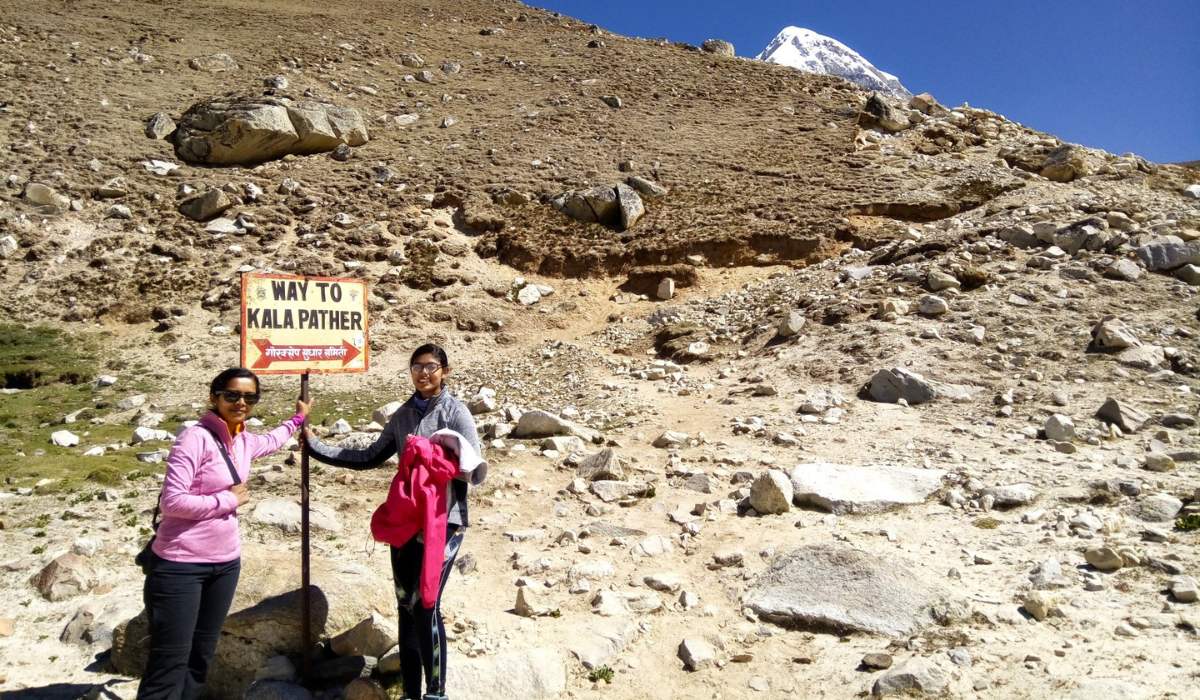
It is considered to be moderately challenging. This journey reaches the maximum altitude of 5,545 meters at Kala Patthar and goes on for about 2 weeks. Therefore, the main reasons behind its difficulty are the high altitude and long duration. Trekkers should be aware of the possible risks of Acute Mountain Sickness. If your symptoms are mild, then rest where you are or descend to a lower elevation. Eat nourishing meals and rest until you feel better to resume trekking. However, if the conditions worsen or the symptoms are severe, get medical help as soon as possible.
Even though the trails are well-established, trekkers have to walk through various landscapes and complete significant ascents and descents. This demands good physical fitness, stamina, and endurance. Similarly, trekkers have to walk for about 5 to 7 hours on average per day. So, maintain a slow and steady pace and take rest days before and after a major elevation gain. It is beneficial to practice exercises that improve stamina. Running, jogging, short hikes, and stair climbing are the most effective. Similarly, also practice a few breathing techniques to improve your lung capacity. This helps with better oxygen absorption and circulation at the higher altitude.
There are a few local health posts and clinics that can treat minor altitude sickness and injuries. They do not have the manpower or equipment to handle major situations. So, carry a personal first-aid box and inform your guide of even the slightest discomfort so he can provide immediate primary care.
Everest Base Camp Trek Permits
There are two mandatory permits that trekkers need to have to opt for the EBC trekking.
Sagarmatha National Park Entry Permit (SNP)
It costs 3,000 Nepali rupees for a person per entry. You can only enter the national park once with this; if you want to re-enter with the permit, you need to obtain a new one. This can be acquired from the Nepal Tourism Board office or at Monjo, the park entrance. You need to present a valid passport, a visa, and passport-size photos.
Khumbu Pasang Lhamu Rural Municipality Permit
It is a local permit that is required to trek in the Khumbu region. Similarly, it costs 2,000 Nepali rupees and can be obtained at the permit office in Lukla or at Monjo. You need to present a valid passport or a photocopy.
Note: To obtain both of these permits, trekkers have to pay with Nepali currency in cash only.
How Long Is The Everest Base Camp Trek?
A standard EBC trek is 14 days long. However, the travel expertise team Ace Vision Treks modified the itinerary, which can be decreased or increased based on your preferences. Trekkers can request to add additional nearby viewpoints or cultural sites they want to visit. Likewise, they can spend longer periods at specific villages or landmarks, exploring the area even more. The pace of the trek reduced depending on your stamina. You may also dedicate an exploration day to key landmarks like the Kathmandu valley and Namche Bazaar.
Experienced travelers ask to cover longer distances per day (as long as it is safe). Trekkers with limited time may save a few days by taking a helicopter flight to Lukla and back to Kathmandu from Gorak Shep.
Frequently Asked Questions
Is a solo Everest Base Camp Trek possible?
Legally, yes, you can go on an independent EBC trek. The Khumbu region still welcomes solo adventurers despite the 2023 governmental ban. However, it is better to hire a local guide for your own safety and a better experience. They have regional knowledge, expert trail navigation skills, and are your direct medical support during emergencies. Moreover, they teach you about the societal norms and practices that should be respected.
What kind of accommodations can I expect?
Teahouses are the primary accommodation that is available along the Everest Base Camp route. In the lower regions and main landmarks like Lukla, Phakding, and Namche Bazaar, trekkers can stay in the luxury lodges or resorts. Common teahouses offer cozy rooms with twin beds, pillows, and blankets, and bathrooms are communal. The luxury stays have well-furnished rooms, private toilets/bathrooms and heated blankets or a personal heater.
What kind of food is available?
You can get traditional Nepali meals and a few Western options. The staple Dal Bhat Tarkari is served everywhere as it is well-balanced and provides energy for long hours. The most common breakfasts are tea, Tibetan bread, porridge, and eggs (boiled, scrambled, or fried). The lunch menu consists of noodles, thukpa, mo:mo (Nepali dumpling), curry, and other potato dishes. Dinner typically is Dal Bhat but you can also request other items on the menu. If you want to try the pizza, pasta, or burger, then let them know beforehand, as they are not readily available.
Do I need trekking experience?
It is not mandatory to have completed treks before, but it is good to have. Even novice trekkers have done the Everest Base Camp Trek before with the help of a guide and a porter. Maintaining a slow pace, drinking enough water, and taking acclimatization days also play important roles.
Should I get travel insurance?
Yes, given the high altitude, varying terrain, and risks of AMS and other accidents, you should have travel insurance. Make sure to explicitly ask for emergency helicopter evacuation above 5,000 meters. If you fall sick during the EBC trek, then managing a rescue operation will be very expensive. So, it is better to get insurance before the journey and trek stress-free, knowing your accidental expenses are taken care of.
How difficult is the trek?
The Everest Base Camp trek is moderately challenging. Trekkers need to tackle high-altitude exposure, long hours of walking every day, and significant ascents and descents. The unpredictable weather conditions in the higher regions and the bottleneck Lukla flight add to the difficulty of the trek.
Can I charge the electronics while on the trek?
Yes, most teahouses along the way provide charging facilities at an additional cost. In lower elevations, it typically costs about $1 to $3, whereas in the higher elevations, it ranges from $3 to $5. Since most of the teahouses near the base camp rely on solar power, we suggest you carry a power bank.
Can I get vegetarian or vegan meals?
Most teahouses’ typical meal is vegetarian, like Dal Bhat Tarkari, but you would need to inform the hosts in advance of the vegan option. They may use ghee to cook vegetables or temper the lentils, so letting them know prior allows them to prepare the meals using vegetable oil instead.